
.png?width=1014&height=1255&name=SEH_Logo_RGB%20(1).png)
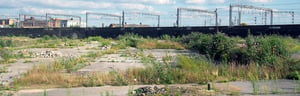
Every community has them – the empty gas station on the corner, the fenced-off factory lot, the once-bustling warehouse that’s now an eyesore. These properties drag down neighborhoods and tax rolls, yet they’re often sitting on some of the best real estate in town.

With the right strategy, these so-called “problem sites” can become something entirely new, like a business hub, affordable housing, or a public space that brings people back together. But redevelopment doesn’t happen by chance. It takes clear steps, smart positioning, and a plan that attracts the right partners.
Here’s how to set the stage for success in four key steps:

Step 1: Understand the Site, What You’re Working with, and Why It Matters
Every site is different, so cleanup depends on its specific conditions. The goal of brownfield remediation is simple: make the site safe for people by limiting exposure to harmful materials. How quickly a project needs to move can influence the cleanup method, and thoughtful project design can often allow for in-place contamination management while safely redeveloping the site.
But, before the building starts, the digging has to happen – figuratively and sometimes literally. That starts with understanding exactly what’s on (and beneath) the site. A Phase I Environmental Site Assessment will uncover the property’s history and regulatory status: what it was used for, potential contaminants, and whether further testing is recommended. This initial phase is a research-based review that helps determine if any environmental risks may exist on the site. If contamination is suspected, a Phase II investigation can be completed to collect soil or groundwater samples and confirm what’s in the subsurface and how extensive it might be.
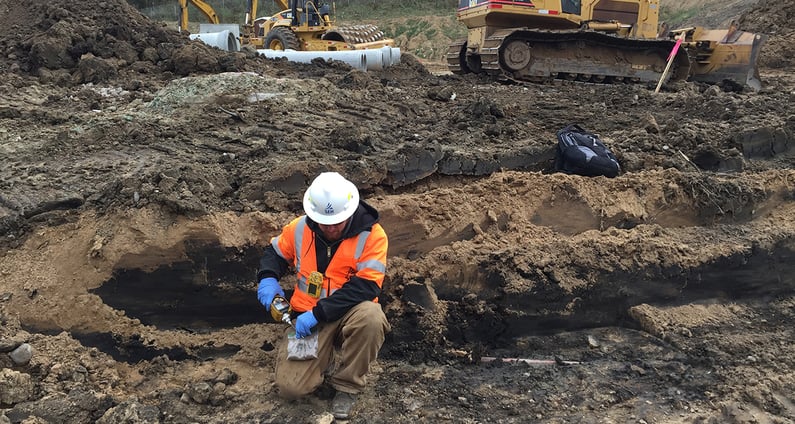
The information from these assessments does more than satisfy environmental curiosity; it clarifies liability, cleanup costs, and redevelopment feasibility. You may find the contamination is minimal, which can make a property more attractive to investors. Or, if cleanup or exposure management is needed, you’ll know what it will take and can start identifying the right partners to create a plan moving forward. In many cases, grant funding may be available to help offset the cost of these investigations, making it easier for communities or developers to move projects forward with confidence.
Understanding the site also means understanding its potential. Where is it located? What infrastructure already exists? How does it fit into the community’s broader goals? Brownfields are often in prime areas near transportation, utilities, or employment centers which makes them ideal candidates for transformation once the environmental barriers are addressed.
In short: you can’t market or redevelop what you don’t understand. Site knowledge is your foundation.

Step 2: Know the Law and Liability
One of the biggest misconceptions about brownfields is that whoever touches them inherits all the problems. In reality, there are well-established legal frameworks that limit liability and encourage redevelopment when handled correctly. As we mentioned above, a Phase I ESA is a critical first step in protecting your liability.
Federal and state programs exist to help property owners, developers, and municipalities safely clean up and reuse contaminated sites without taking on unnecessary risk. Many states offer Voluntary Cleanup Programs (VCPs), which facilitate the redevelopment and transfer of contaminated properties, to provide guidance, liability protection, and regulatory oversight.
The key is to address potential liability early. Understanding which regulations apply and how to document compliance can make the difference between a stalled project and a shovel-ready opportunity.
When you can show that cleanup responsibility is defined and liability is managed, you remove one of the biggest hurdles for potential developers and investors. Clarity breeds confidence, and confidence attracts funding and partners.

Step 3: Align Redevelopment with Community Needs and Market Demand
A brownfield site can become just about anything, but the most successful projects start with a clear purpose. What does the community need most? What does the market support?
Maybe the site sits in a housing-constrained neighborhood and could become mixed-use development. Maybe it’s near a business district and could be repurposed into a light industrial or commercial hub. Or maybe it’s better suited for green space and recreation.
Engaging the community early helps build support and ensures the final project aligns with local priorities. Conducting market research and collaborating with city planners or economic development agencies will help identify viable reuse options that make both financial and social sense.
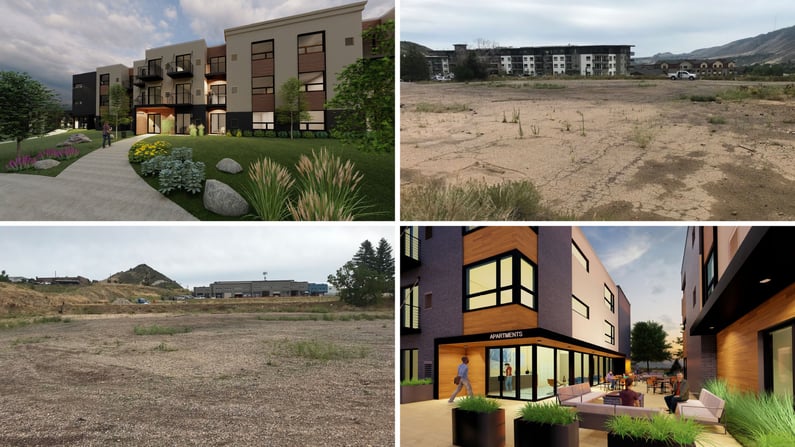
By grounding the project in real demand and local goals, you position it for smoother approvals, stronger partnerships, and long-term success. Redevelopment that benefits both investors and the community is far easier to move forward.

Step 4: Build a Smart Redevelopment and Funding Strategy
Redeveloping brownfields isn’t just about cleanup – it’s about coordination. Every site is unique, and the right funding and incentive mix will look different depending on your project goals.
Public-private partnerships, local redevelopment grants, low-interest loans, tax credits, or land swaps can all play a role in making a brownfield project financially feasible. The most successful efforts usually blend multiple sources – environmental, economic development, and infrastructure-related – to create a comprehensive funding strategy.
Think of it as building a bridge between what the site is and what it could be. The cleaner your plan, the more appealing it becomes to outside partners and private investors. Transparency and readiness matter. When you can clearly explain the site’s condition, risk management plan, and redevelopment potential, you’re far more likely to attract interest and capital.
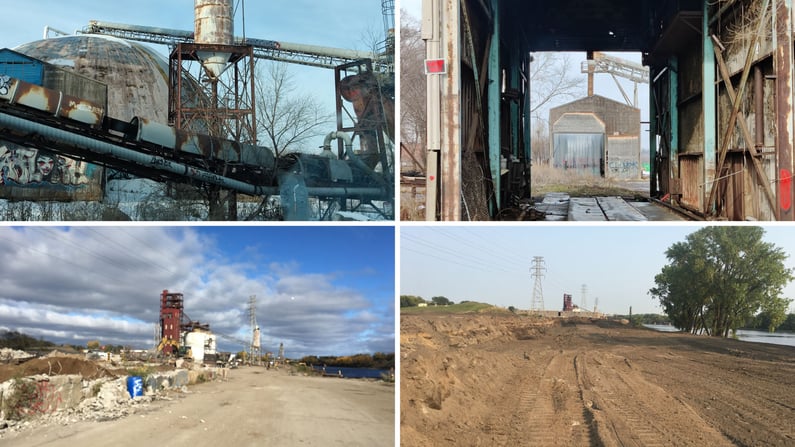
Turning What Was into What’s Next
Brownfield redevelopment is one of the most rewarding forms of community revitalization. It turns blight into opportunity, risk into reward, and neglected land into a new source of pride.
For communities, it’s a chance to grow sustainably – reusing existing land and infrastructure rather than expanding outward. For developers, it’s an opportunity to access prime locations and deliver visible impact. And for everyone involved, it’s proof that environmental challenges can become economic engines when approached with the right mix of strategy and vision.
So, whether you’re a city leader, planner, or private developer, start by taking these four steps. The path to revitalization isn’t always simple, but it’s absolutely achievable, and the transformation can be extraordinary.
About the Authors

Veronica Aranda is a Professional Geologist, Environmental Scientist, and Project Manager with experience supporting Brownfield redevelopment, environmental site investigations, groundwater monitoring, and regulatory compliance projects throughout Wisconsin. Her work includes conducting and managing Phase I and Phase II Environmental Site Assessments (ESAs), NR 700 site investigations, environmental sampling programs, and remedial investigations for properties impacted by petroleum, hazardous substances, and other environmental contaminants.

Robert Hawkins, PG* is an Environmental Scientist with experience conducting and leading Phase I and II ESAs, Response Action Plan/Construction Contingency Plans, and other due diligence tasks on projects ranging from large-scale corridors to smaller residential and mixed-use developments. His experience includes soil, groundwater, and soil vapor assessments, asbestos and hazardous materials surveys, and oversight of remedial activities. Robert’s expertise supports safe, compliant site remediation and redevelopment, helping clients transform underutilized or contaminated properties into safe, productive community assets.
*Registered Professional Geologist in MN, WI