
.png?width=1014&height=1255&name=SEH_Logo_RGB%20(1).png)
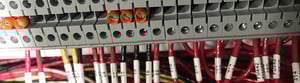
The priciest facility problems rarely appear on opening day. They creep in years later: flickering lights, failed safety systems, and maintenance chaos. The unsung hero preventing those issues? Smarter electrical design and construction – quietly powering reliability and performance, inside and out.
While largely out of sight, electrical systems are never out of play. They're powering the building and site lighting, life safety systems, multiple types of limited voltage technology systems, and everything in between. When you’re an owner backing a new facility, you’re not just building for today – you’re investing for decades to come. That’s why it pays to think beyond ribbon cuttings and focus on how things will actually perform for the long-haul.
We sat down with Chris Green, a senior electrical engineer, to talk about how you can make smart choices today that lead to smoother operations, fewer surprises, and facilities that just keep going… and going… and going.
Electrical Is Everywhere – Even if it’s Not the Headliner
Electrical rarely shows up as the “lead” discipline on a project. Usually, that title goes to architecture, civil, or mechanical. But don’t let that fool you, electrical is almost always involved and almost always essential.

“Any time you’re designing a civil facility, or commercial/institutional building, we’re there,” Chris says. “Even if we’re not leading the project, no other discipline can complete the project without electrical.”
From lighting and power to fire alarms and security, electrical systems weave through every corner of a building. Chris likens the role to “the tail end of the dog” – not always front of mind, but always present and always necessary.
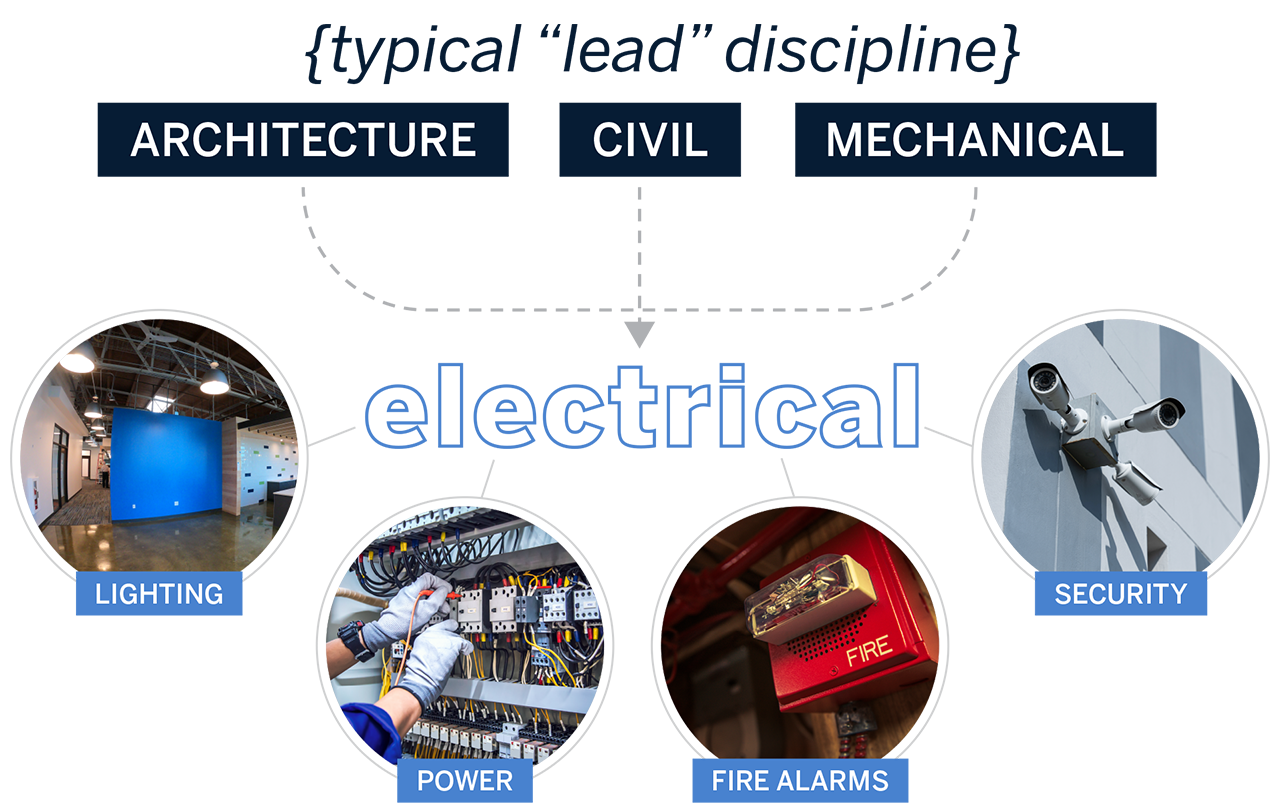
That’s why early communication matters. The sooner electrical is in the conversation, the fewer last-minute issues you’ll have to wrestle with later.
Plan for the Next 50 Years, Not Just the Next 5
When Chris designs, he keeps one question in mind: If this were my building, how would I design it for optimal function and durability, now and into the foreseeable future?
That perspective shifts the focus from “just meet code” to “what actually makes the most sense for the long-term – for budgets, operations, and staff.”
Lighting is a perfect example. LED luminaires are efficient and a smart up-front choice, but not all LEDs are created equal. Most integrate the LED device board, LED driver board, lens, and housing into one assembled unit. If either of the LED boards fail, you may have to replace the entire luminaire assembly unless spare LED device and driver boards are ordered with the original luminaire during construction. With the extremely rapid changes in LED technology, compatible LED device and driver boards will likely be unavailable from the manufacturer after installation.

“If you’re thinking about lighting for a public building, you want to get a minimum of 25 to 50 years of usable life out of it,” Chris says. “We have the ability to do that. But it depends on the decisions you make today.”
Durable, serviceable components – those designed to be maintained, not tossed – are the ones that will keep your facilities running without constant replacement cycles.
Coordination That Pays Off
Electrical engineers are natural coordinators. And in many cases, they also help make sure systems integrate smoothly during the design process.
“We’re detectives,” Chris explains. “You can’t just rely on other people to tell you everything. You have to know how to analyze and coordinate with the drawings of every other technical discipline, as well as all owner requirements. Then, you determine the exact electrical needs for all and incorporate them directly into the electrical design.”

This detective work pays off. When coordination happens late (or not at all), it shows up during construction as change orders, confusion, and added costs. By spotting issues early – whether through tools like Revit or just sharp experience – electrical teams help build in clarity and consistency before they become expensive problems during construction.
For owners, this can mean tighter bids, a smoother construction process, and minimized change orders once shovels hit the ground.
Build Sustainably – Even Without the Sticker
Not every building project pursues a Green Building Certification. And that’s okay. But sustainability isn’t just about chasing a label; it’s about designing systems that operate well for the long term while minimizing energy usage.
“Sustainable thinking is still essential,” Chris says. “It just doesn’t always come with a sticker.”
The idea is simple: choose systems that are maintainable, serviceable, and durable. Think about whether you can replace a single part instead of an entire assembly. Consider materials built to last, not just to pass inspection.
This approach not only cuts waste, it saves money over the long run. And the best part? It doesn’t require a checklist. As Chris puts it, “The best sustainability is the kind you don’t have to think about. It’s baked into the design. It just works.”
What You Can Do Next
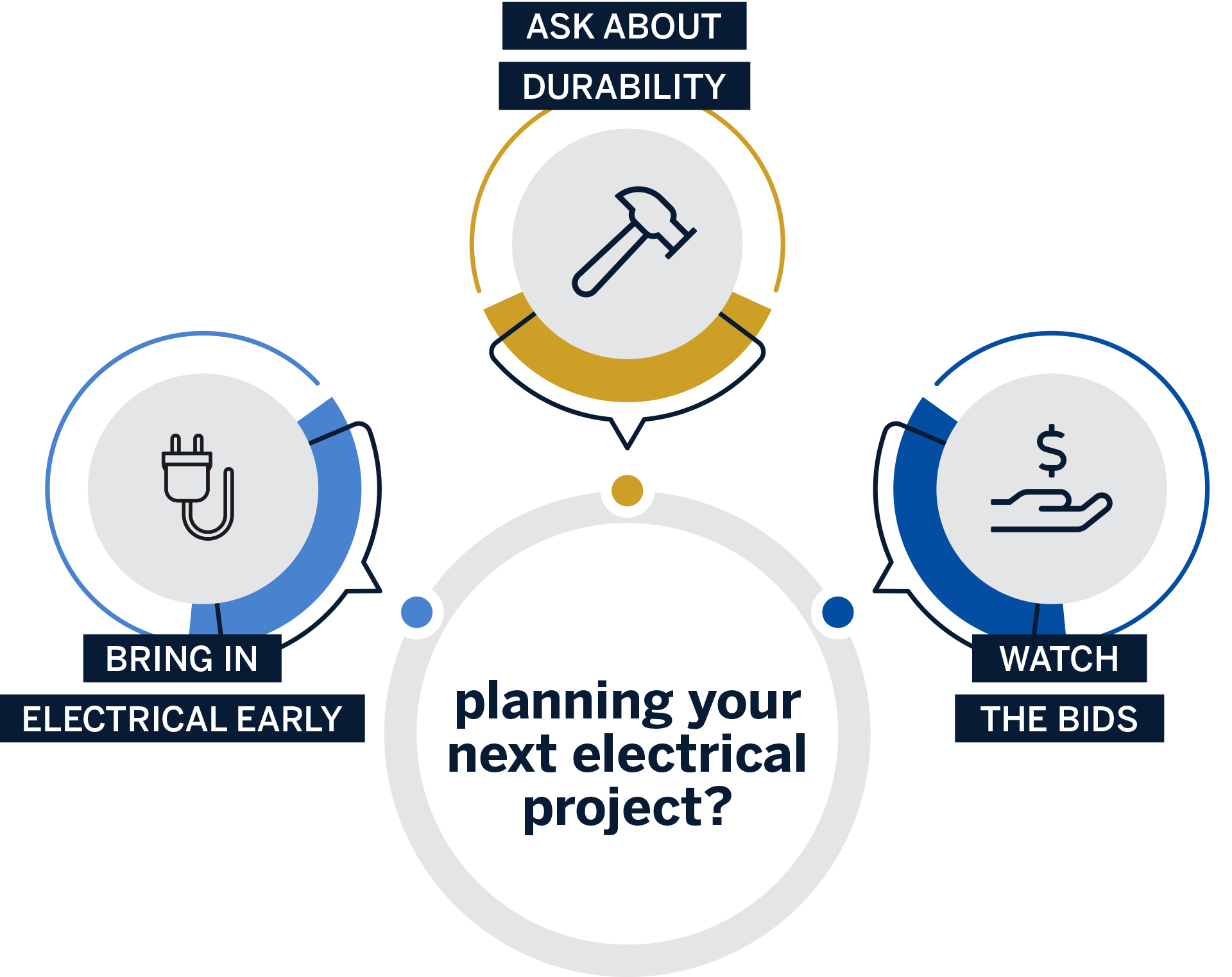
If electrical isn’t at the top of your to-do list, you’re not alone. But giving it a little extra attention up front can save time, money, and frustration. Chris offers a few tips as you plan your next project:
- Bring in electrical early. Coordination is easier (and less expensive) when the electrical team is involved from the start with the full design team.
- Ask about durability. How long will systems last, and how easy are they to maintain?
- Watch the bids. Tighter bids often signal well-coordinated, high-quality design.
Keeping the Lights On – and Everything Else Too
Stronger, smarter, longer-lasting facilities don’t come from chance. They come from choosing a partner who treats your building like their own – and designs with your future in mind.
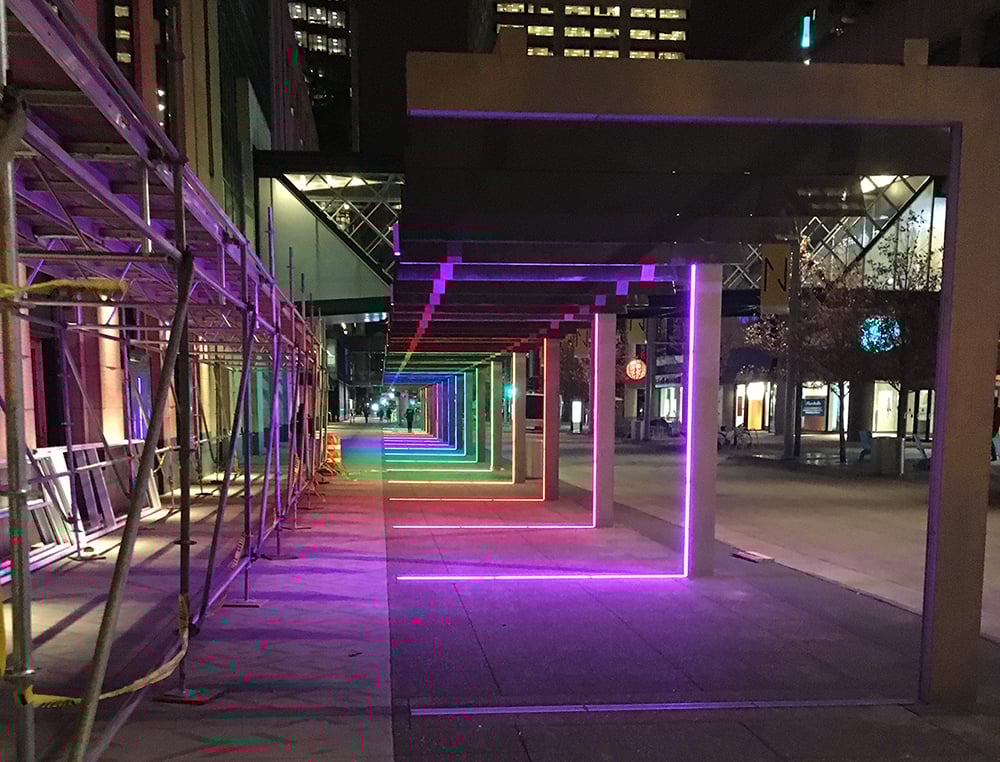
Ready to talk electrical on your next project? Chris is always up for a conversation about strategies that can save you money, frustration, and fit your goals. Or if you just want to know why Chris only buys washers and dryers from Speed Queen for his home, he’s happy to chat about that too.
About the Expert

Chris Green, PE*, LEED AP, is a senior electrical engineer with more than three decades of experience. He leads, supports, and manages the detailed design development, specification, selection, coordination, implementation of power distribution (low and medium voltage), lighting, and limited voltage technology systems. He works on a wide variety of building and project types, instilling him with excellent project management skills, sound engineering judgment, attention to detail, and technical creativity.
*Registered Professional Engineer in IA, MT, ND, NE, SD, TX, WY