
.png?width=1014&height=1255&name=SEH_Logo_RGB%20(1).png)
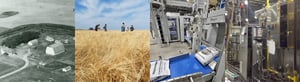
All photos used within article are sourced from Two Track Malting Company.
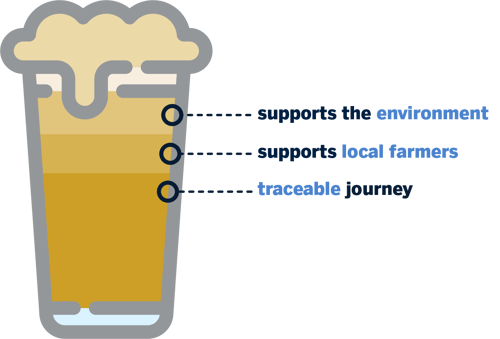
Imagine sipping an ice-cold beer or a smooth glass of whiskey and knowing every drop supports the environment, local farmers, and a traceable journey from field to pint. That’s not a fantasy – it’s the everyday reality at Two Track Malting, a custom craft malting company rooted in collaboration and committed to sustainability.
A Malt House with a Mission
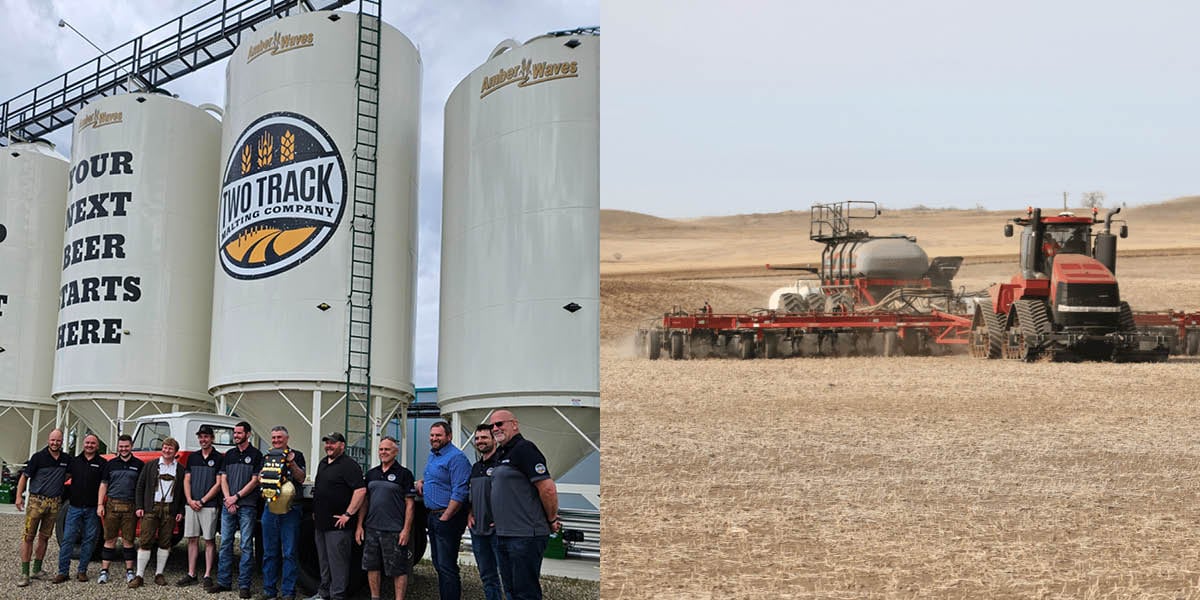
What began as a partnership between Arrow K Farms, a second-generation family farm in Belfield, North Dakota, and Stober Farms, a sixth-generation family farm in Goodrich, North Dakota, quickly grew into something bigger. Both operations share a deep-rooted passion for regenerative agriculture and sustainable practices – values that run as deep as their histories.
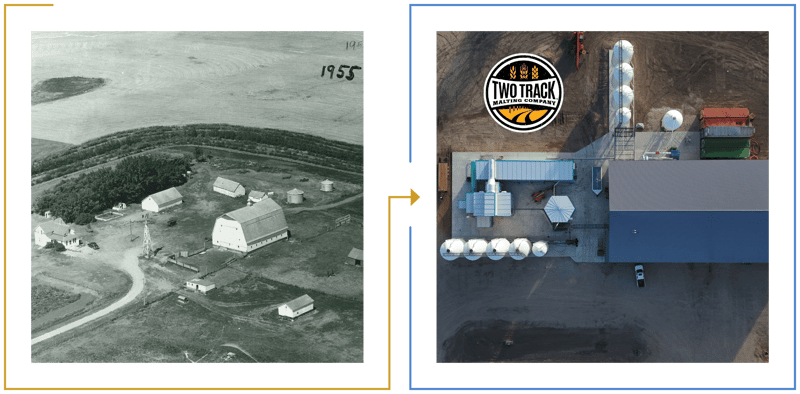
Recognizing an opportunity to expand their impact and scale their sustainable practices, the two farms partnered with Farmers Union, tapping into a broader network of resources across the Midwest. The result? A vertically integrated malting company that’s redefining how grains move from field to pint with sustainability, traceability and quality driving every step.
Supporting Growth from the Ground Up
Even before Two Track Malting came to life, SEH was working behind the scenes with its future partners, helping each one pursue their goals through thoughtful planning and smart design.
For Arrow K Farms, our teams provided civil design, permitting, and structural engineering for a new shop, office, and grain bin sites, creating a strong foundation for growth.
With Farmers Union, our teams conducted energy audits and supported other facility projects focused on increasing efficiency and reducing environmental impact.
So, when Arrow K Farms and Stober Farms came together to launch Two Track Malting – and later welcomed Farmers Union as a partner to help grow the business and advance the mission of preserving family farms and strengthening local agriculture – choosing SEH as their project partner was a natural next step. With established relationships and a deep understanding of each organization’s priorities, our team was ready to bring their shared vision to life.
From Concept to Completion: SEH’s Role in Two Track Malting
From the earliest conversations to the final stages of construction, our experts were there helping transform Two Track’s vision into a fully operational, sustainable facility. The project demanded more than technical know-how. It needed a partner who could navigate regulations, coordinate vendors, and keep the big picture in focus while executing every detail with precision.
Site Selection with Purpose
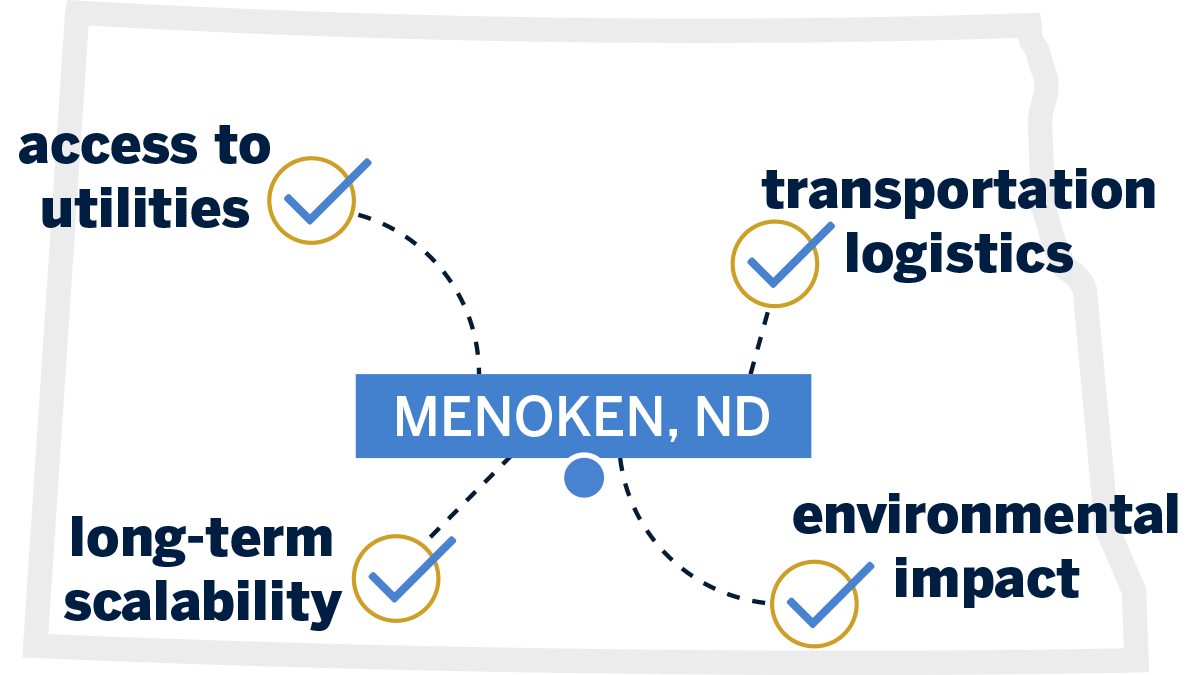
Success started with choosing the right location. Working closely with Two Track’s leadership, we evaluated potential sites based on key criteria: access to utilities, transportation logistics, environmental impact, and long-term scalability. Conceptual layouts brought the vision to life early on, helping stakeholders feel confident in the direction forward.
Smart Civil Design, Built for Efficiency
With the site locked in, our team designed the full civil layout to support daily operations and long-term growth. This included:
- Optimizing truck movements for both incoming grain and outgoing malt
- Identifying well placement for reliable water access
- Designing water storage solutions aligned with sustainability goals
- Incorporating natural screening and visual buffers to reduce land impact
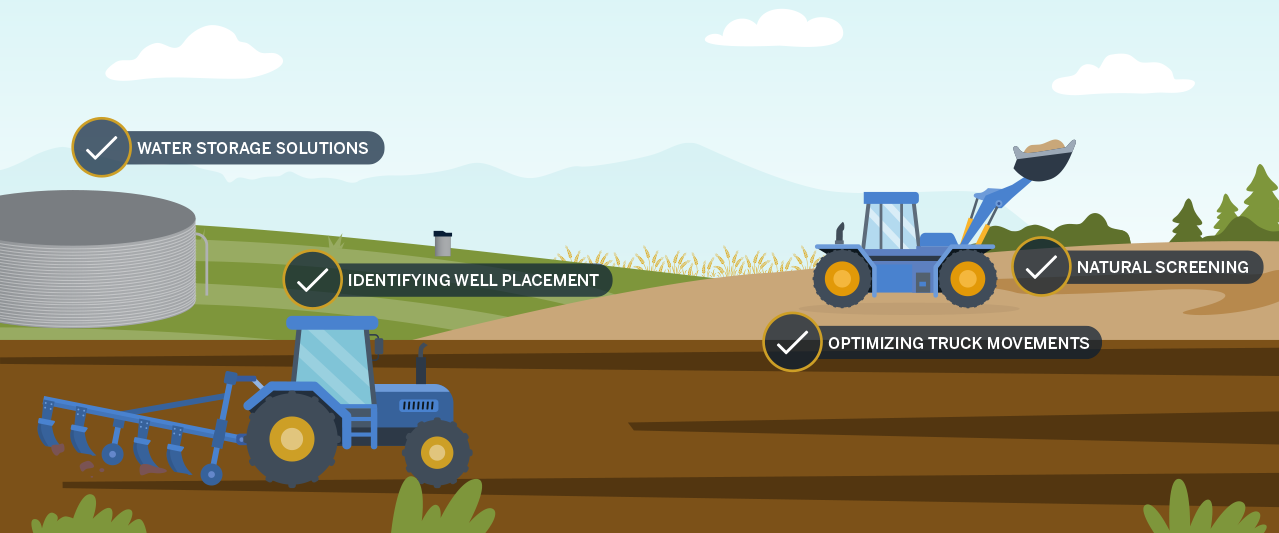
These features didn’t just meet requirements; they reflected the company’s commitment to thoughtful, responsible development.
Strong Foundations for Innovation
To support the specialized equipment needed for malting, we developed custom structural solutions ranging from footings and foundations to helical piles that provided a stable base in challenging soil conditions. These low-impact systems helped preserve the site while enabling high-performance operations.
Where Malt Meets Mission
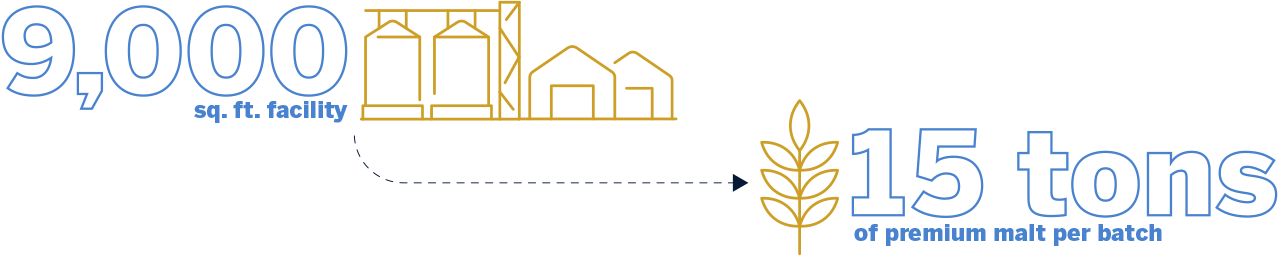
Inside their 9,000-square-foot facility, Two Track produces up to fifteen tons of premium malt per batch for clients ranging from microbreweries to giants like Anheuser–Busch. But it’s how they do it that’s turning heads.
“This family business has continually impressed people. They genuinely care. They know sustainability choices can impact costs, but they go the extra mile because they know it matters.”
– Dan Hedrington, SEH
Their Field to Pint™ concept captures the entire story: Grains are grown sustainably on family farms, malted under tight environmental controls, and then delivered to brewers and distillers who care about where their ingredients come from.
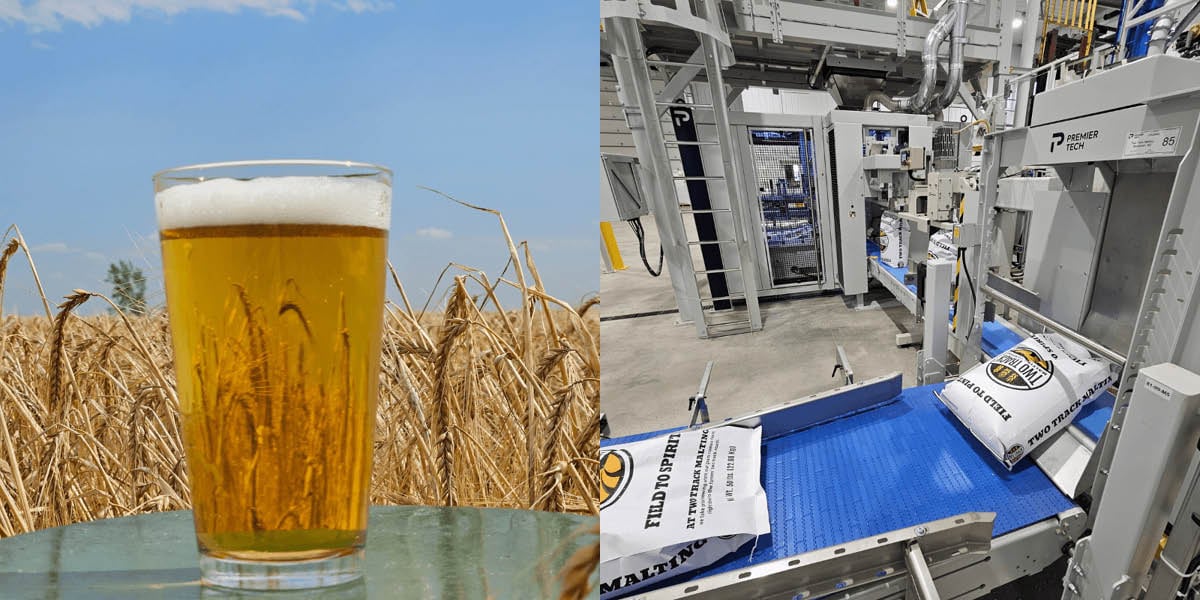
The traceability of the grains is next level: Brewers and distillers can access brewing specs, satellite images of the fields, backstories on the farms – even climate data for the specific batch of barley, like a family tree for your favorite pint.
For area farmers, this process means more income, reduced market risk, and healthier soil. For end product consumers, it means better flavor, better quality, and a deeper connection to the story behind what they drink.
More Than Malt
Two Track’s commitment to sustainability shows up everywhere, from how they power their facility to how they engage with packaging and transportation. They don’t do it because it’s trendy, they do it because it’s right.
Take water, for example. Malting is water-intensive, but Two Track has built a smarter, more responsible process from the ground up. Instead of letting used water go to waste, they’ve created a reuse system that gives it a second life:
- Recycling: Process water is repurposed for field applications, enriching the soil with organic nutrients.
- Storage: Clean water is stored in on-site ponds for future irrigation use.
- Innovation: Their team continues to explore new ways to reduce waste and recover valuable resources.
They’ve also tapped into a geothermal water supply that supports both sustainability and product quality. This system provides the precise temperatures needed for germination and steep cycles – keeping the grain warm during CO₂ extraction in the winter and cool in the summer. It’s also tied into the steep tank to maintain consistent ambient conditions, ensuring efficiency while reducing energy demand.
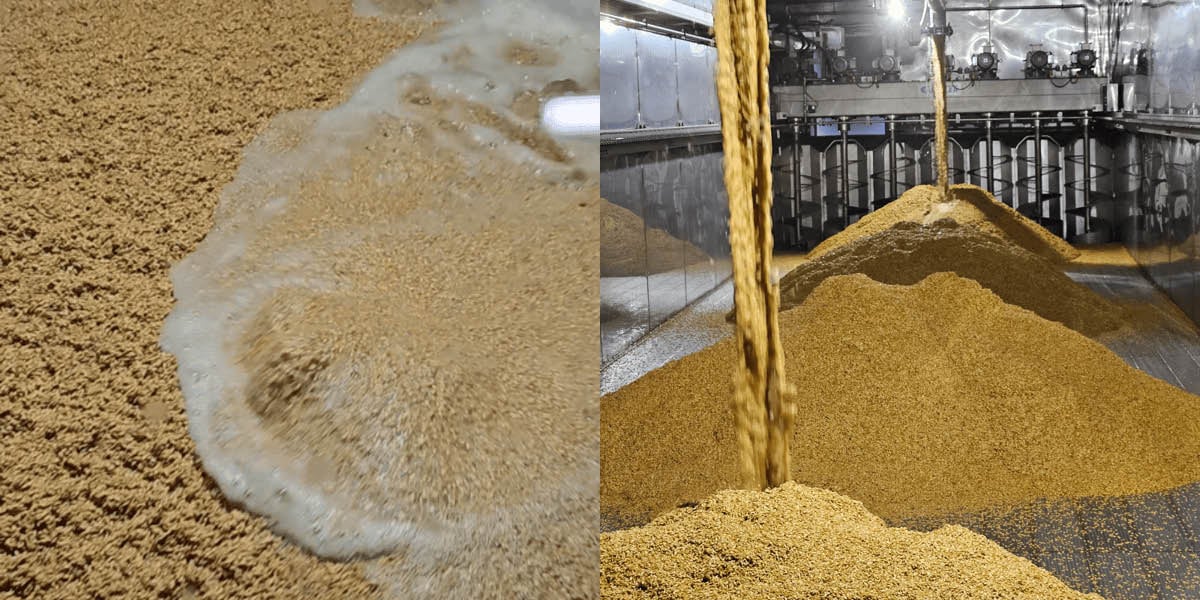
The result? Lower water costs, cleaner operations, and a dramatically reduced environmental footprint without compromising product quality.
And it doesn’t stop there. Two Track also reimagined how to operate its facility with sustainability at the core. From using a modular malting system that optimizes energy use to sourcing grains from no‑till, dry-land farms just down the road, every decision reflects a commitment to responsible production. Their approach – from soil health to final malt delivery – is designed to reduce environmental impact while supporting local farmers and craft brewers alike. This is sustainability that pays off in the ledger, in the malt, and in the long-term health of the area.
While malting might seem like a small part of brewing or distilling, Two Track is proving it can be a powerful driver of environmental change. Their choices are making better products, supporting better farming, and setting a new standard for sustainability in craft production.
Cheers to the Future
Every decision Two Track Malting makes is rooted in a belief that sustainable choices matter. And when those choices lead to better products, healthier farms, and a cleaner planet? That’s worth raising a glass to.
Today, our team remains a trusted partner and is proud to support innovators like Two Track Malting as they look toward future expansions and continue raising the bar for sustainable agriculture and craft production.
Want to learn how your facility can integrate sustainable practices, big or small? Reach out to Dan and the SEH team to get started.
About the Expert

Dan Hedrington is a seasoned project manager with extensive experience guiding civil and construction projects from concept through permitting and full build-out. His background spans agricultural, industrial, commercial, and infrastructure design, with expertise in coordinating across multiple agenciesincluding the NRCS, WDNR, BOA, and USDA. Dan’s project management skills and agricultural knowledge have been instrumental in helping Two Track Malting bring their sustainable, field-to-pint vision to life.