
.png?width=1014&height=1255&name=SEH_Logo_RGB%20(1).png)
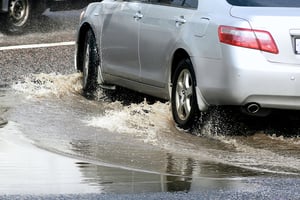
Have you ever noticed water remaining on the street after a rainstorm? It's natural to wonder: Is the storm drain clogged? Is the neighborhood flooding? Should the city have designed this differently?
Several factors influence how quickly stormwater drains from a roadway, including storm size, roadway design, surrounding topography, and system capacity. Together, these elements influence whether temporary ponding is expected or whether it may indicate a drainage concern.
Understanding why water sometimes lingers after a storm can help you recognize what's normal and identify when a drainage issue may need attention. Let's explore the most common reasons streets hold water after a storm and what they reveal about how these systems are designed to work.
Short on time? Watch the video to hear Greg break down the key takeaways from the article.
Blocked Storm Drains and Inlets
One of the most common reasons water remains on a street after a rainstorm is a blocked storm drain inlet. When water collects around a drain after a storm, debris may be preventing runoff from entering the system as quickly as it was designed to.
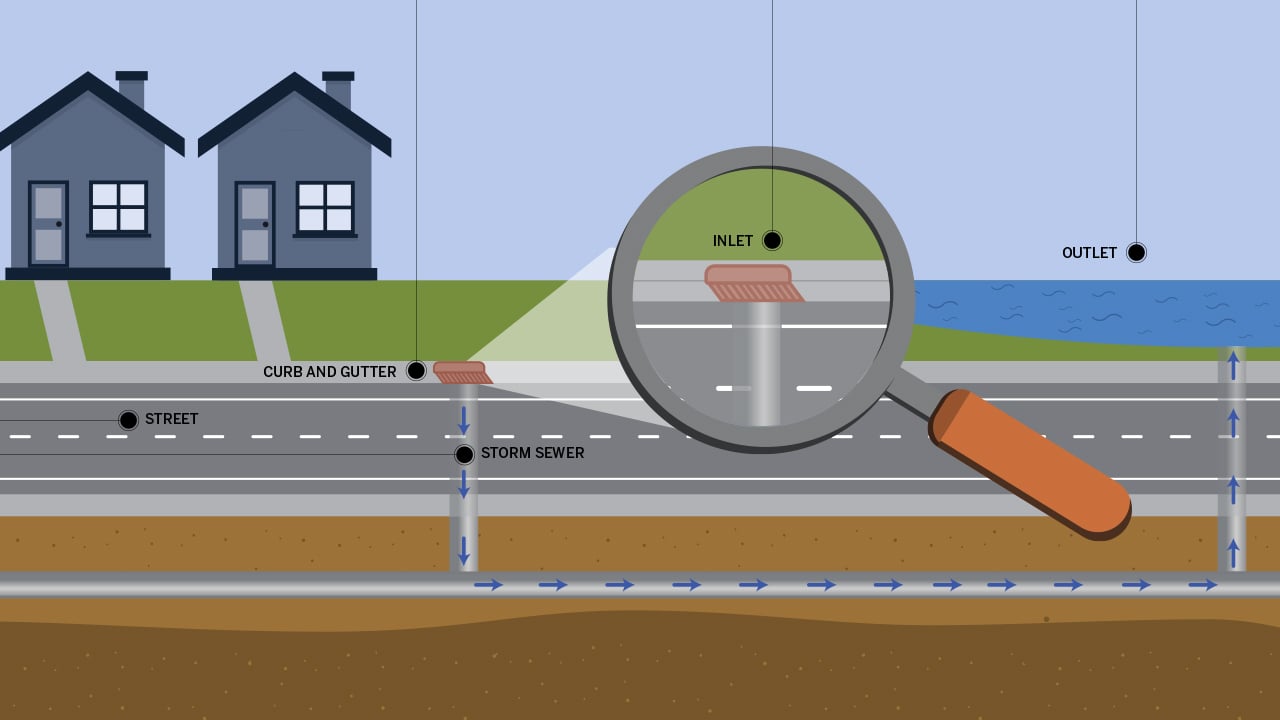
Stormwater systems are designed to collect runoff from roads, parking lots, and other paved surfaces through curb inlets and catch basins before conveying it through a pipe network. Most community stormwater systems rely on two complementary drainage paths:
-
An underground minor system, consisting of underground pipes designed to manage more frequent storm events.
-
An overland major system, which includes the roadway surface and flow paths that carry water during larger storm events when the underground system reaches capacity
From there, flow is typically directed to a receiving waterbody such as a creek, river, lake, or ocean.
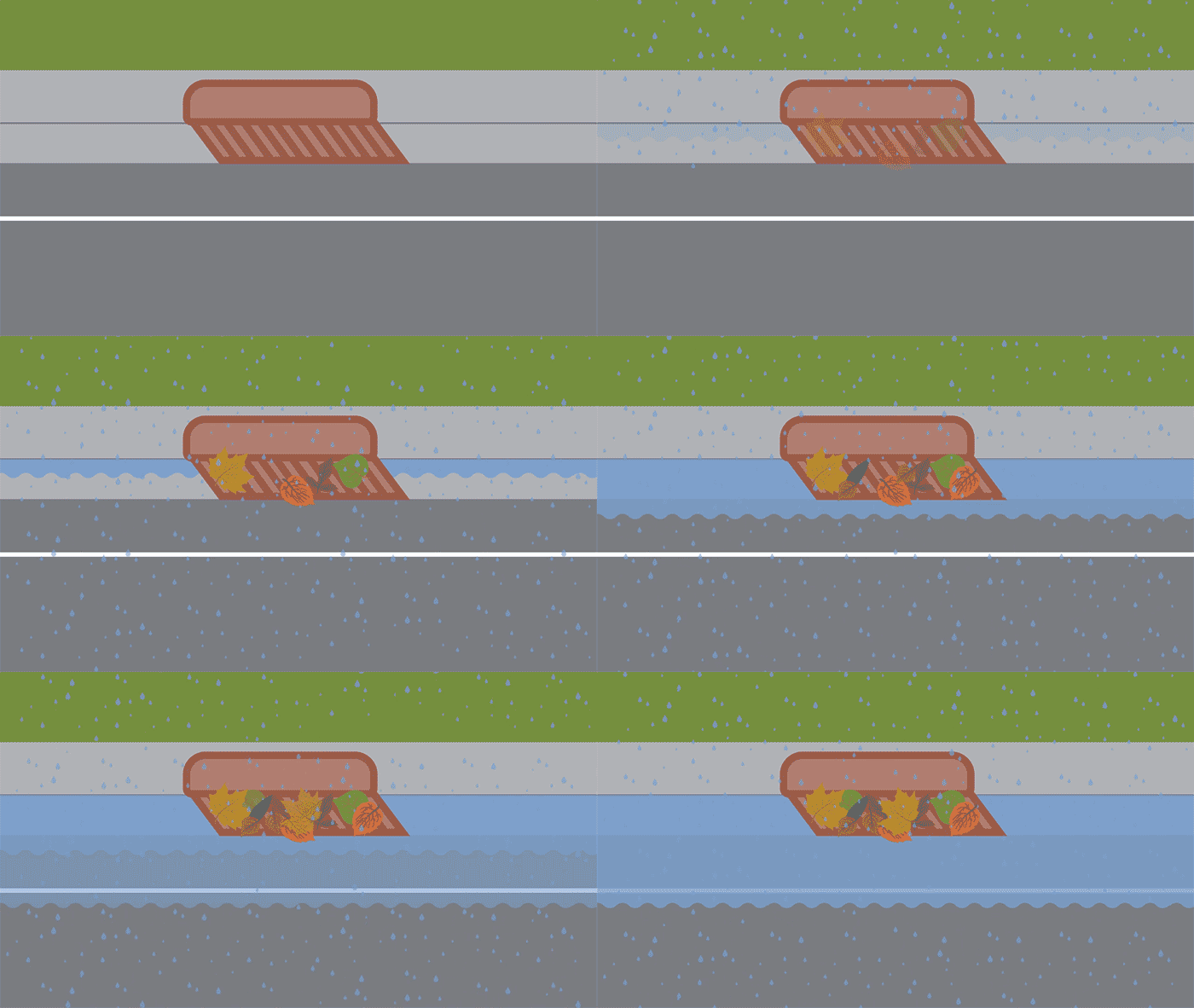
When leaves, sticks, grass clippings, sediment, or litter accumulate at or around an inlet, the hydraulic capacity of the system is reduced. As a result, runoff may remain on the pavement until it can enter the drainage system through a nearby inlet or alternate flow path.
Routine maintenance can help you reduce these issues, but temporary blockages can still occur before, during, or after a storm event. This is especially common during spring storms that wash debris into inlets or in the fall when leaves accumulate quickly. Even a partially blocked inlet can significantly reduce capture efficiency, leading to localized ponding along curbs or at low points in the roadway.
If standing water lingers long after storms have ended, it may indicate that maintenance or further evaluation of the drainage system is needed rather than simply reflecting normal stormwater behavior.
New Development and Growing Communities
As communities grow, the way stormwater moves across the landscape changes. New roads, parking lots, rooftops, and other hard surfaces prevent rainwater from soaking into the ground, increasing the amount of runoff that must be safely managed. That's why stormwater planning is a critical part of every new development.
Most residential neighborhoods are designed so streets, curbs, and storm drains work together to direct runoff toward designated collection points. During typical storms, underground storm sewers carry water away. When rainfall exceeds the system's design capacity, excess runoff follows planned emergency overflow routes. Depending on the neighborhood, these may include streets, swales, detention ponds, or other drainage features that safely direct water away from homes and toward designated storage areas or receiving waterbodies.
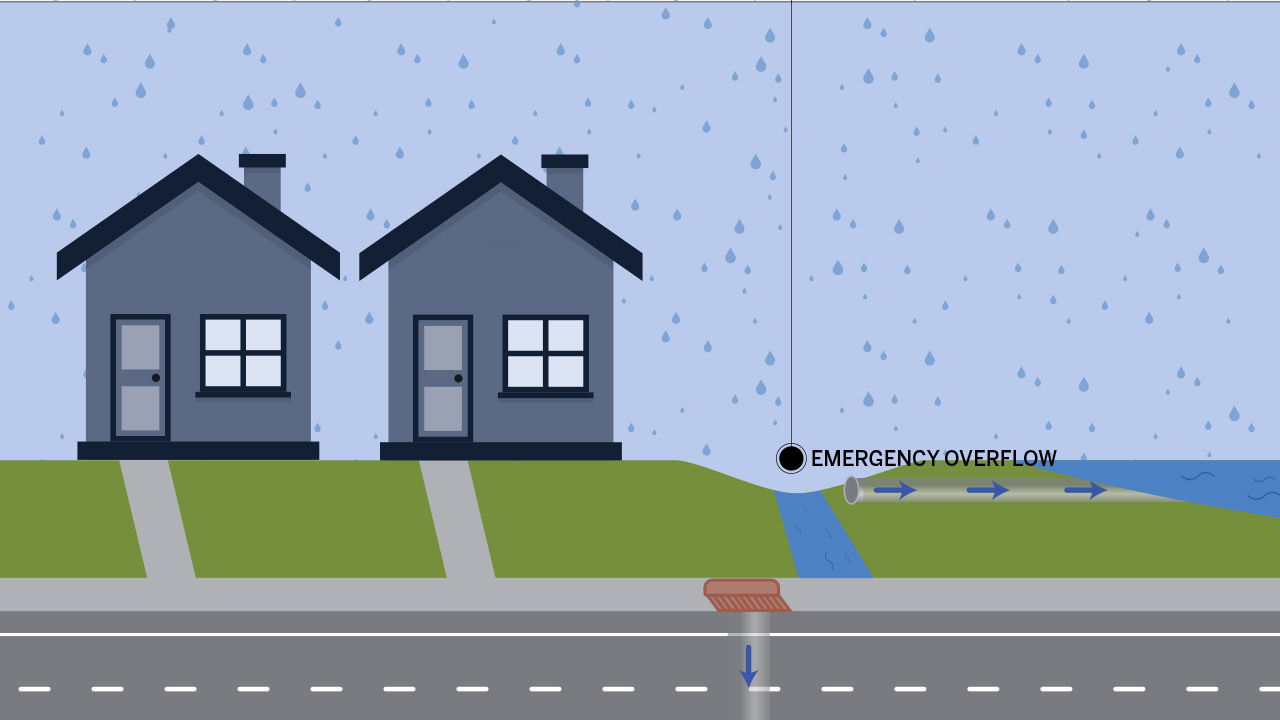
Emergency overflow routes are an intentional part of a resilient stormwater system, helping manage larger storm events while reducing the risk of flooding around homes and businesses. Water moving through streets, swales, or ponds during a major storm may be part of the neighborhood’s intended drainage design rather than a sign that the system has failed. As communities continue to grow, thoughtful stormwater planning and regular infrastructure improvements help ensure drainage systems can adapt to changing conditions while protecting people, property, and nearby waterways.
Rainfall Probability and Storm Size
Not all storms are created equal. Stormwater systems are designed using rainfall probability to determine how much runoff they should be able to manage.
You may have heard terms such as a "10-year storm" or "100-year storm." These terms refer to the likelihood of a storm occurring in any given year rather than its frequency.
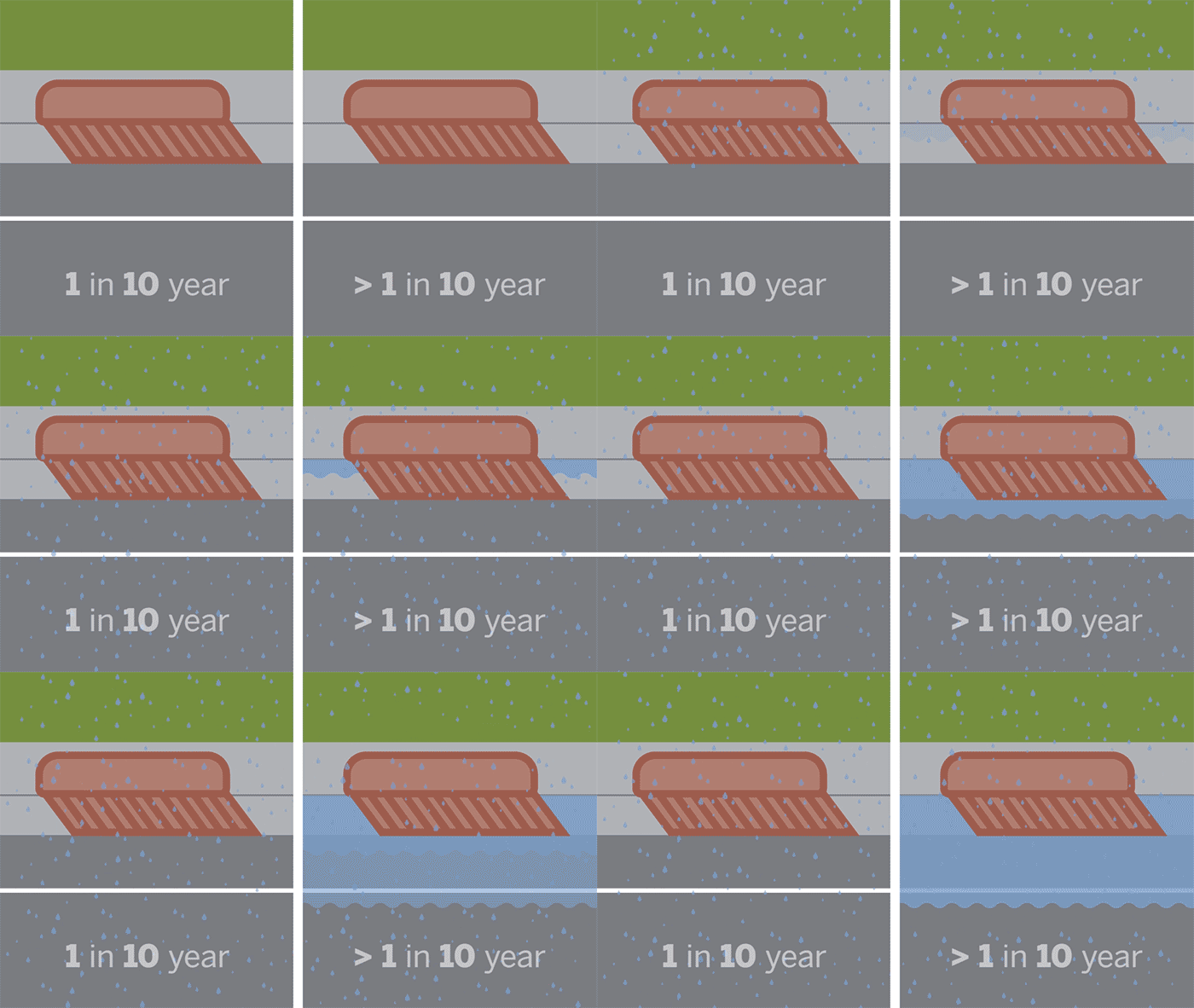
In most residential areas, storm sewer systems, including inlets, manholes, pipes, and outlets, are typically designed for a 10-year, 24-hour storm event. This means the system is intended to handle a storm that has a 10% chance of occurring in any given year, based on local rainfall data.
TIP: Despite their name, a 10-year or 100-year storm doesn't mean it happens only once every 10 or 100 years. It refers to the statistical probability of a storm of that intensity occurring in any given year.
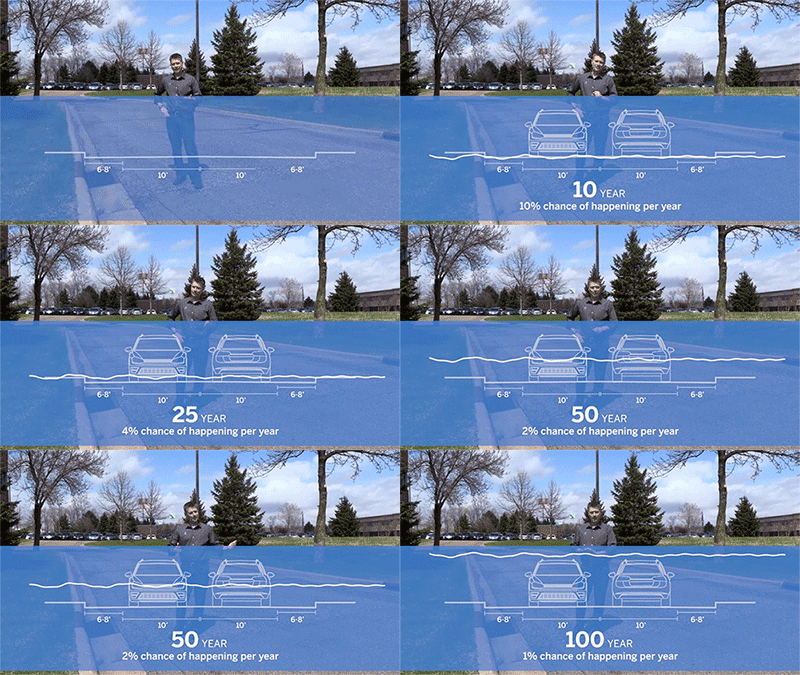
When rainfall exceeds the system's design capacity, such as during a 25-, 50-, or 100-year storm, more runoff is generated than the underground storm sewer can immediately carry. In these situations, water may temporarily remain on the roadway while the stormwater system continues to move runoff through both its underground pipes and planned overland flow paths.
When water remains on the roadway after an unusually large storm, it does not always indicate a drainage problem. A key consideration is whether water recedes after the storm or continues to create issues during more typical rainfall events.
Designing for rainfall probability allows communities to build stormwater systems that perform reliably during typical storms while balancing safety, long-term costs, and infrastructure needs.
Roadway Design and Drainage Speed
Roadways are designed to move stormwater safely toward inlets, ditches, channels, or storm sewer systems. However, how quickly water drains depends on several physical and design factors.
The slope of the roadway, curb and gutter configuration, pavement width, and surrounding topography all influence how stormwater flows during and after a storm. In flatter areas, water naturally drains more slowly due to limited elevation change. Likewise, low points in a roadway may also temporarily collect water until it reaches a nearby inlet or drainage path.
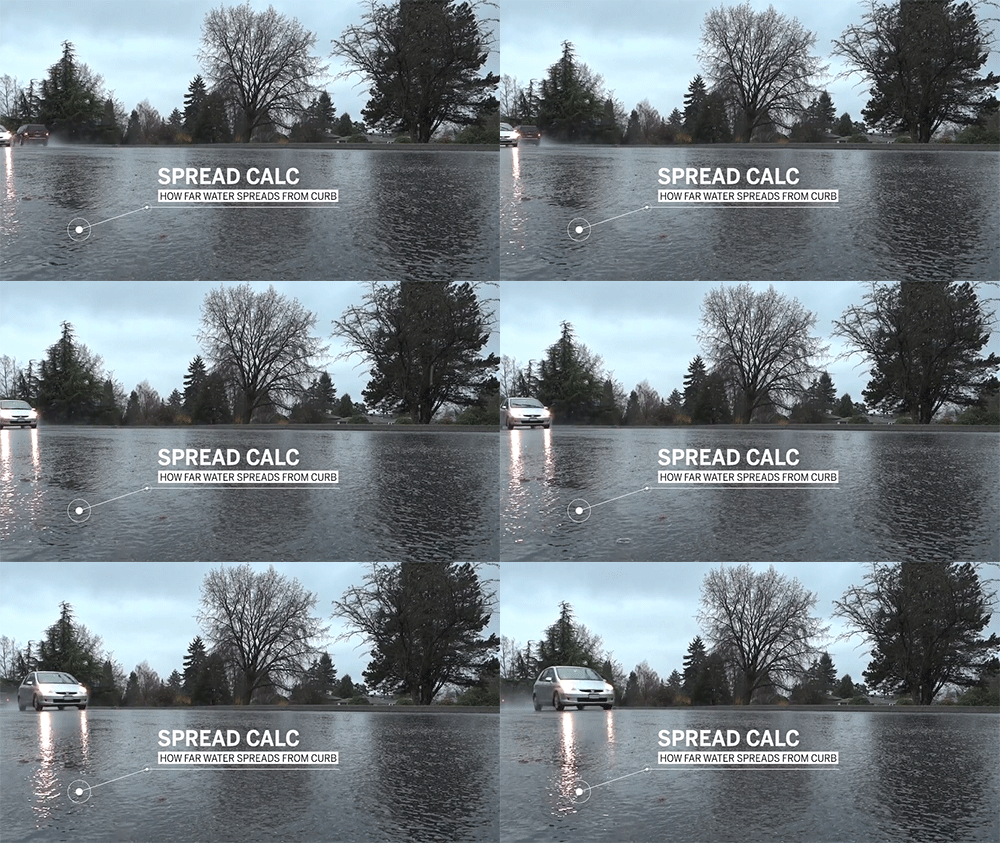
On higher-speed roadways, such as county roads and highways, drainage systems are often designed for more frequent storm events than the typical 10-year design. This helps minimize standing water in travel lanes and reduce safety risks such as hydroplaning. Engineers also perform spread calculations to estimate how far stormwater extends from the curb during a design storm, helping ensure runoff remains outside the travel lanes whenever possible.
TIP: If you encounter standing water on a roadway, slow down, avoid driving through it, and choose an alternate route if available. Turn around, don't drown.
In many cases, streets are intentionally designed to function as part of the stormwater system, temporarily conveying runoff toward drainage infrastructure during and immediately after rainfall. Even small differences in roadway slope or curb design can significantly change how water spreads and drains.
Recognizing how roadway design influences drainage helps communities prioritize improvements that enhance safety, reduce localized flooding, and improve long-term system performance.
Pipe Capacity and Inlet Spacing
If you’ve ever wondered why one street drains faster than another, the answer often comes down to what’s happening below the surface.
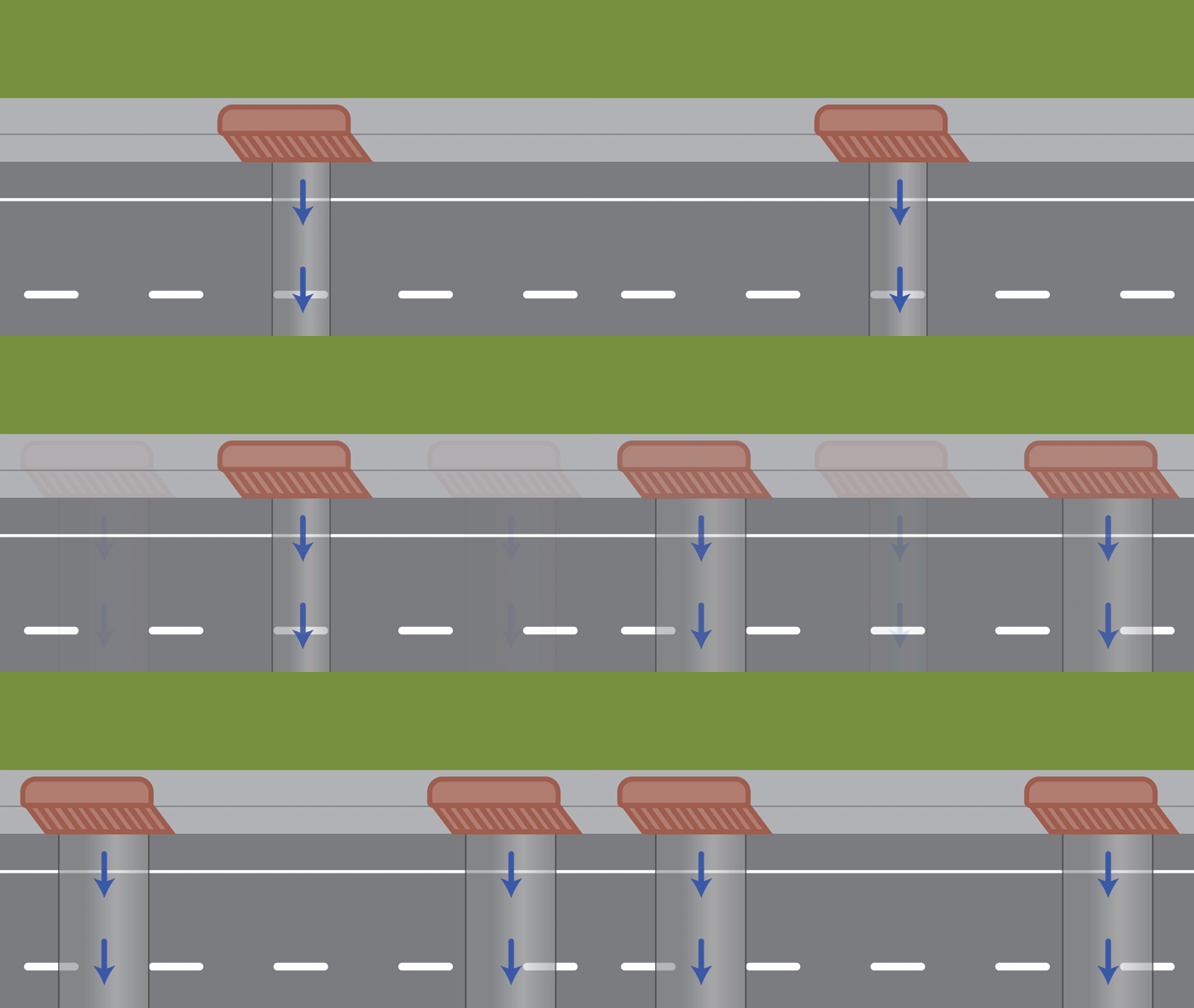
The size of storm sewer pipes and the spacing of storm drain inlets play a major role in how quickly runoff is removed from the roadway. Larger pipes can convey more water, while additional inlets capture runoff before it has a chance to spread across the street. On higher-speed roadways, engineers often incorporate more inlets to help reduce standing water in travel lanes.
So why not simply use larger pipes and more inlets?
As with any infrastructure project, stormwater systems must balance performance with cost. Increasing pipe sizes and adding inlets can significantly increase construction and long-term maintenance costs. For most local streets, designing around the 10-year storm event provides a practical balance between managing typical rainfall and making responsible use of public funds.
Every roadway presents a different set of drainage challenges. Effective stormwater design depends on rainfall risk, roadway function, available space, and budget constraints. This means two nearby streets may perform differently during a storm, even when both systems are functioning as designed. Differences in pipe size, inlet spacing, roadway design, and surrounding conditions all influence how quickly water drains.
The Takeaway: Stormwater Management Starts at Street Level
Every community experiences storms differently, and no two streets respond in exactly the same way. How water moves depends on a combination of rainfall intensity, roadway design, local topography, and the capacity of the surrounding stormwater system.
While temporary standing water is often a normal part of how these systems function during and immediately after a storm, recurring or prolonged ponding may signal an opportunity to take a closer look. Identifying the underlying cause is the first step toward determining whether maintenance, repairs, or infrastructure improvements are needed.
As communities plan for future growth and changing needs, partnering with an experienced water engineering team can help evaluate existing conditions, identify practical solutions, and support safer, more resilient infrastructure.
About the Expert

Greg Anderson, PE*, is a municipal engineer and storm sewer designer who understands the delicate balance between cost and effectiveness while making sure our streets can accommodate what’s ahead. He has served communities in east central Minnesota for nearly three decades, helping plan and design infrastructure solutions that support safe, reliable, and resilient stormwater systems.
*Professional engineer registered in MN.