
.png?width=1014&height=1255&name=SEH_Logo_RGB%20(1).png)

Did you know that over 40% of bridges in the United States are over 50 years old, and more than 46,000 are classified as structurally deficient? That’s tens of thousands of vital connections used daily by school buses, emergency vehicles, and commuters that need critical repairs. These aging structures aren't just inconvenient; they’re a growing concern for safety and community development.

The good news? Programs like the Local Bridge Improvement Assistance (Local Bridge Program) Program in Wisconsin are stepping up to help municipalities take action.
The Local Bridge Funding Program
The Local Bridge Program, administered by the Wisconsin Department of Transportation (WisDOT), is a cornerstone initiative aimed at addressing the state’s aging bridge infrastructure. By providing financial support on a cost-shared basis, the program enables municipalities to rehabilitate or replace structurally deficient bridges, enhancing safety and connectivity within communities.
This program’s objectives are clear: to ensure public safety, promote efficient transportation, and support local economies. Federal and state funds typically cover 80% of eligible project costs, with municipalities responsible for the remaining 20%. In certain cases, such as off-system bridges located on local roads or minor collectors, federal funds may cover 100% of eligible costs, depending on current legislation.
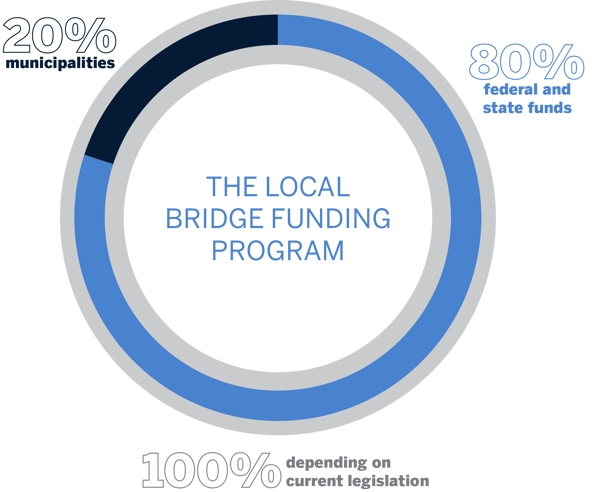
Projects are selected through a collaborative process, with counties reviewing and prioritizing eligible bridges based on their sufficiency ratings and structural conditions. Applications are submitted during designated solicitation periods, allowing local governments to plan strategically for critical infrastructure improvements.
From Eligibility to Action: How the Program Works
To help successfully secure funding for your bridge projects, it's important to understand the key eligibility criteria. Here’s a breakdown of what’s required so you can navigate the process with confidence and ensure your project meets the program’s needs.
Bridge Project Scope Eligibility: WisDOT uses the Wisconsin Structures Asset Management System (WiSAMS) to determine the Bridge Project Scope Eligibility List. WiSAMS uses a consistent, objective, data-driven process to recommend appropriate structure improvement work based on asset conditions and needs. Its rules align with the asset management and bridge preservation policies outlined in Chapter 42 of the Wisconsin Bridge Manual.
Ownership and Location: Eligible structures must be on a locally owned public roadway, excluding connecting highways, and span more than 20 feet in length.
Age and Maintenance History: Bridges built or reconstructed within the last 10 years are generally ineligible, as are projects involving only routine maintenance.
Emergency Situations: For compromised bridges leading to closures, off-cycle applications may be considered if funding is available.
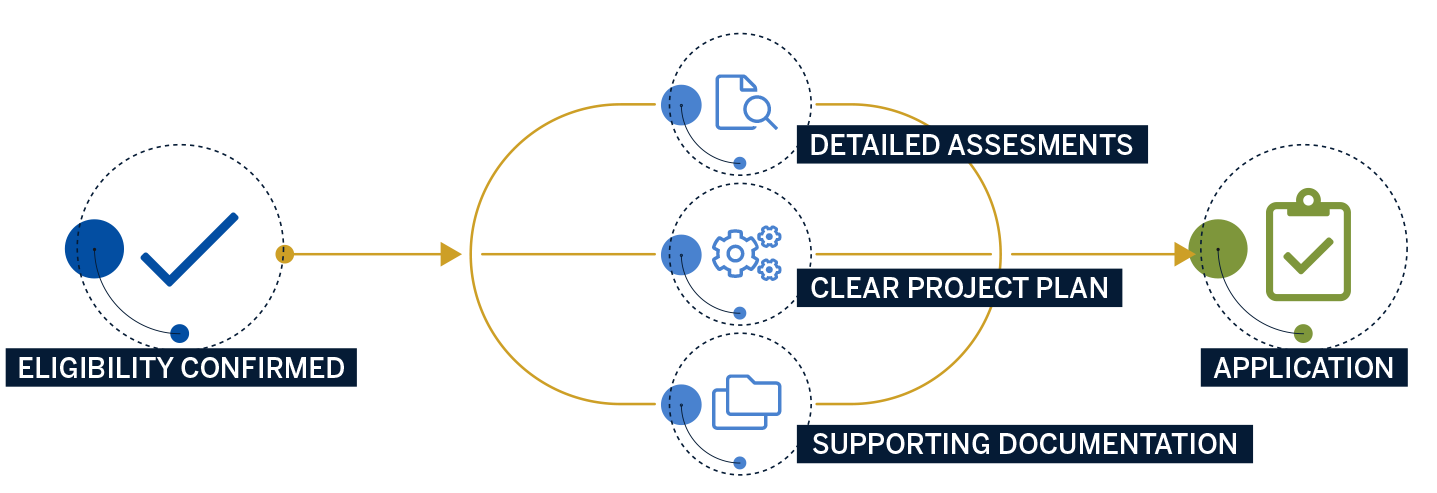
Once eligibility is confirmed, municipalities can begin the application process. This involves assembling detailed assessments, a clear project plan, and supporting documentation that underscores the urgency and community impact of the proposed work. Applications must be precise and timely to ensure consideration during designated solicitation periods.
After funding approval, local governments can allocate resources to address their bridge needs. This might involve rehabilitation, replacement, or preventive maintenance. For off-system bridges, federal funds may cover 100% under the Bipartisan Infrastructure Law.
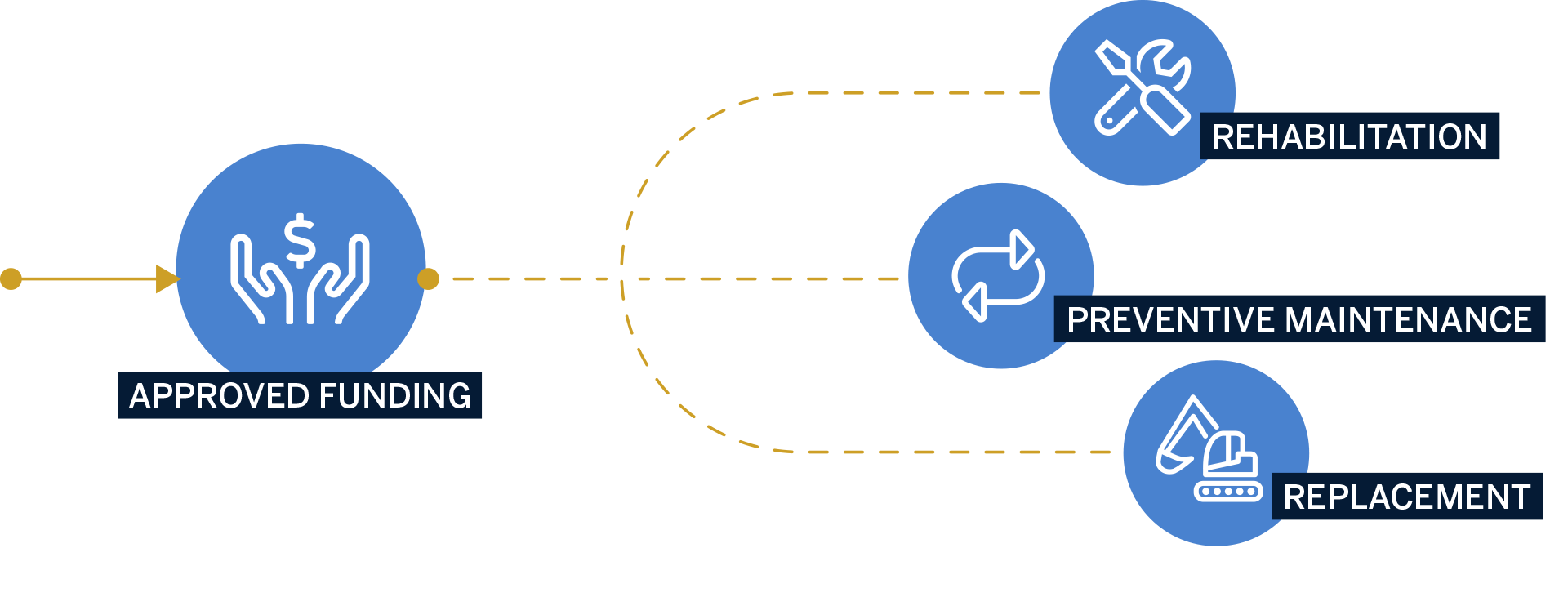
By following this roadmap, municipalities can effectively utilize the Local Bridge Funding Program to strengthen their infrastructure, ensuring safer roads and stronger community connections for years to come.
How the Local Bridge Funding Program Supports Your Goals
Local bridge funding isn’t just about fixing cracks and rust – it’s about investing in the future. Every bridge repaired or replaced means safer roads, better access for businesses, and stronger networks between neighbors. And the savings add up, too: timely maintenance can prevent costly emergency repairs down the road.
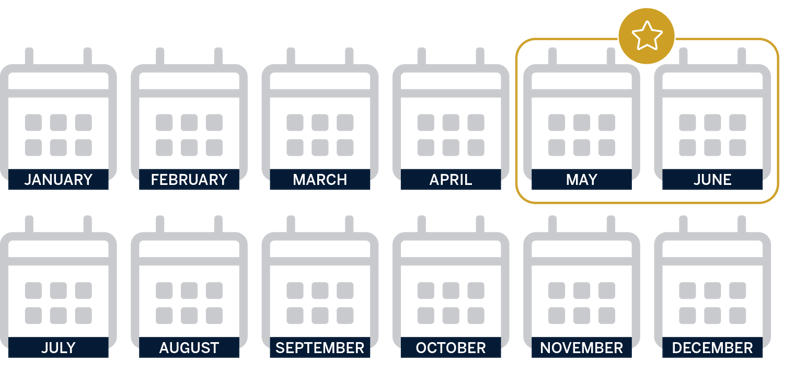
As of August 2026, WisDOT has not yet announced the successful projects from the 2025 application submittals. Given that the application cycle occurs biannually, it's anticipated that the next application period will open around May/June of 2027. To stay informed about the upcoming deadlines and application procedures, municipalities should regularly consult WisDOT's official Local Bridge Improvement Assistance Program page, your County Highway Commissioner or reach out to our experts at SEH for additional assistance.
About the Expert

Ron Chamberlain joined SEH after a long and varied career serving first in the military and then in a number of different roles in the public sector. Most recently, he served as Highway Commissioner for La Crosse County Highway Department. In that role, he was responsible for developing and managing a $10.5 million operating budget, developing and implementing the County’s Capital Plan, and regularly planned and oversaw engineering and construction projects. Ron brings all of that experience and the many insights he has gained over his career to your project.