

Florida communities are growing quickly, and the infrastructure supporting that growth is facing increasing pressure. New development, aging systems, extreme weather events, and changing environmental conditions are creating challenges that many systems were not originally designed to handle.
When flooding occurs, roads are closed, utilities are disrupted, or systems fail during storms, the immediate focus is often on restoring service as quickly as possible. But the more lasting question is: why did the system behave the way it did in the first place?
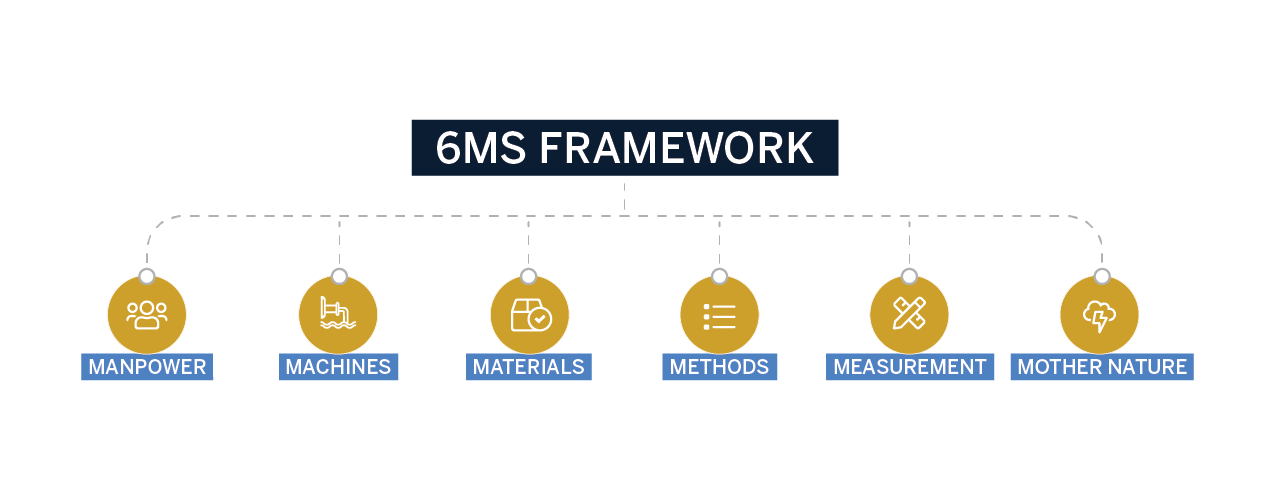
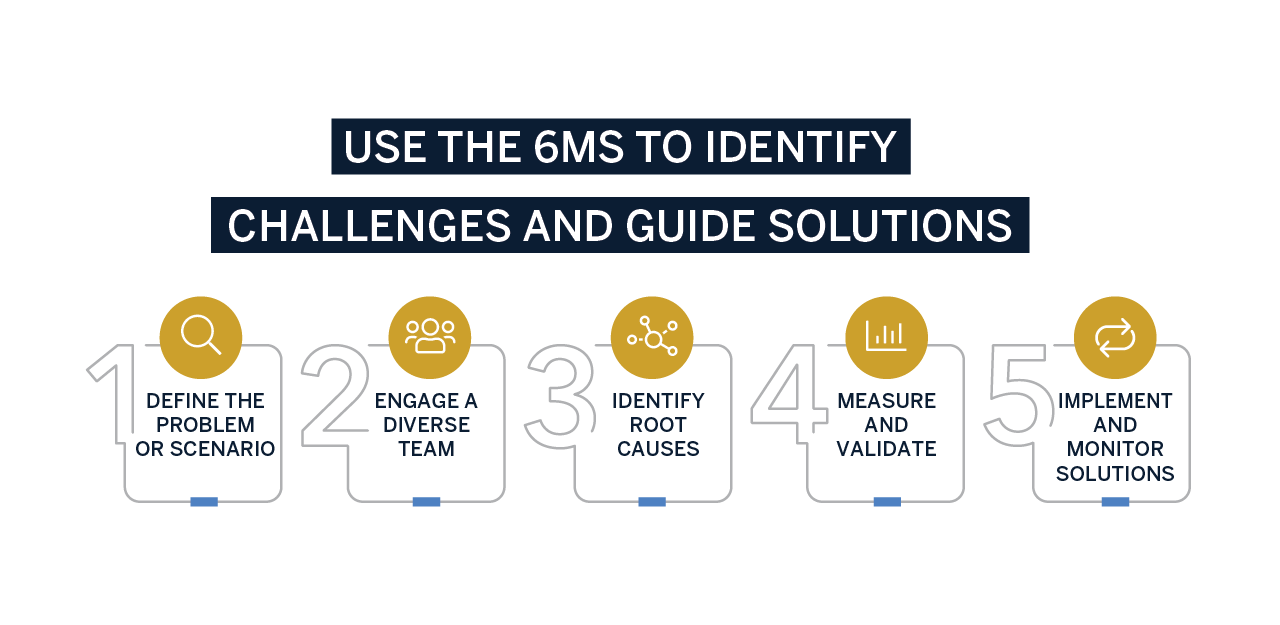
That’s where the 6Ms Framework can become a valuable tool for resilience planning. This approach helps identify the root causes behind complex challenges by examining six areas that influence performance.
Let’s take a closer look at how each of these factors applies to Florida’s unique infrastructure challenges and how communities can use this process to better understand risk and build long-term resilience.
The 6Ms Through a Florida Lens
While every infrastructure challenge is unique, the factors influencing system performance often fall into the same six categories. The 6Ms approach examines these factors through six lenses: Manpower, Machines, Materials, Methods, Measurement, and Mother Nature. Each category represents a potential area that can contribute to performance issues, vulnerabilities, or failures.
Looking at each through a Florida lens reveals how growth, aging infrastructure, and environmental conditions can shape long-term resilience.
Manpower
Several communities continue to face workforce shortages, institutional knowledge loss, and increasing operational complexity. As employees retire and service demands continue to grow, maintaining the workforce, knowledge, and coordination needed to support critical infrastructure becomes increasingly important.
Communities should ask:
- Are operators, maintenance staff, and field crews adequately trained?
- Are staffing levels sufficient during emergency events?
- Is critical knowledge documented before experienced employees retire?
- Are departments coordinating effectively during storm response and recovery?
Even the most well-designed infrastructure depends on the people who operate and maintain it. Addressing workforce challenges can help communities improve day-to-day operations while strengthening long-term resilience.
Machines
Mechanical and electrical systems play a critical role throughout the state’s infrastructure network. From pump stations and lift stations to treatment facilities, flood control systems, backup power, and monitoring equipment, these assets help keep essential services operating, especially during extreme weather events.
Key factors to evaluate include:
- Equipment age and reliability
- Maintenance practices
- Redundancy planning
- Emergency power capabilities
- Vulnerabilities to flooding or storm damage
Recurring operational issues are often signs of aging assets, deferred maintenance, or vulnerabilities that have developed over time. Identifying these issues early can help communities prioritize improvements before they disrupt service.
Materials
Florida's environment places unique demands on infrastructure materials. Corrosion, saltwater exposure, high groundwater conditions, and prolonged moisture can all affect how assets perform and how long they last. Selecting materials that are appropriate for these conditions can have a significant impact on long-term infrastructure performance.
Some questions to consider include:
- Are materials appropriate for coastal environments?
- Are replacement components meeting quality standards?
- Have changing environmental conditions accelerated deterioration?
- Are utilities seeing premature asset failure due to material selection?
Methods
How infrastructure is planned, designed, maintained, and operated can have a lasting impact on system performance. As conditions change, established practices may need to evolve as well.
Key areas to evaluate include:
- Stormwater maintenance practices
- Emergency response procedures
- Development review processes
- Floodplain management strategies
- Utility asset management programs
Regularly evaluating planning, design, and operational practices helps ensure infrastructure systems continue to perform as communities grow and conditions change.
Measurement
Good decisions depend on good data.
Many communities are collecting more information than ever before through Geographic Information Systems (GIS), asset management systems, sensors, Supervisory Control and Data Acquisition (SCADA) platforms, drone technology, and flood monitoring programs. Even with more data available than ever, information gaps can still affect planning and decision-making.
Reliable data starts with asking the right questions:
- Are flood models based on current conditions?
- Is drainage infrastructure accurately mapped?
- Do utility asset inventories reflect actual field conditions?
- Is monitoring data being used to support decision-making?
The framework encourages organizations to validate assumptions and ensure they are working from reliable information before investing in solutions.
Mother Nature
In Florida, environmental conditions often have one of the greatest influences on infrastructure performance. Organizations can use the framework to evaluate environmental factors such as:
- Hurricanes
- Tropical storms
- Intense rainfall
- High groundwater
- Sea level rise
- Coastal surge
- Extreme heat
While communities cannot control environmental conditions, they can better understand how those conditions interact with infrastructure systems and plan accordingly.
The goal is not simply to recover faster after an event. It is to identify vulnerabilities before the next event occurs.
Looking Beyond the Immediate Cause
Infrastructure challenges are rarely caused by one factor. In Florida, growth, aging infrastructure, operational practices, environmental conditions, and other factors can interact over time to affect system performance.
Consider a flooded roadway. At first, the problem may appear to be a drainage issue. But looking at the situation through the 6Ms can reveal several factors contributing to the problem:
- Manpower: Storm-response responsibilities are unclear.
- Machines: A pump or backup generator is unreliable.
- Materials: Corrosion is affecting a critical component.
- Methods: Maintenance practices are based on older conditions.
- Measurement: Drainage mapping is incomplete or outdated.
- Mother Nature: Rainfall is exceeding the original design assumptions.
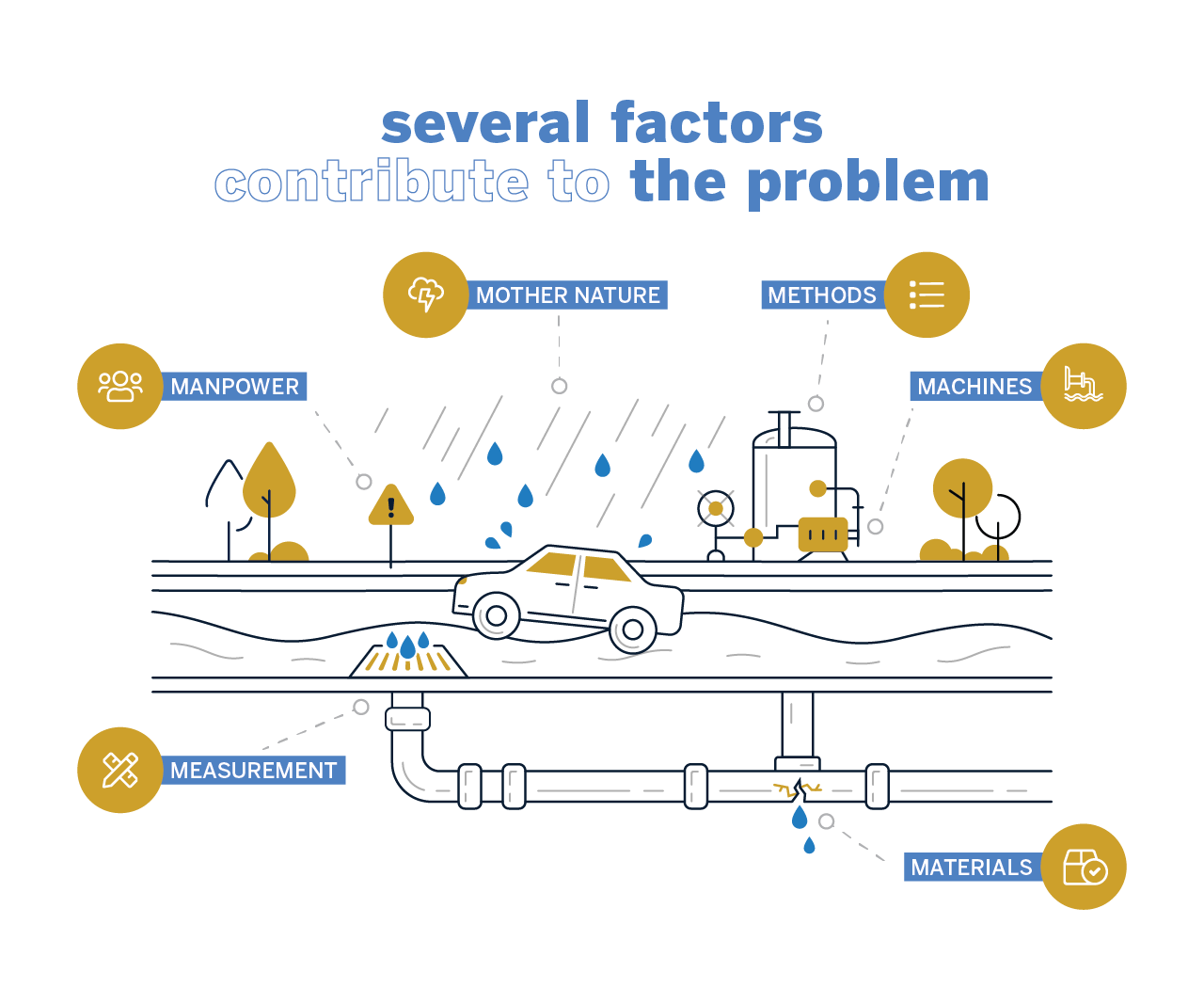
No single factor tells the whole story. Together, these factors provide a more complete picture of why the system is struggling and where improvements may be needed.
The Takeaway: Putting the 6Ms Into Practice
Every infrastructure decision shapes how well a community can adapt to future challenges. While the 6Ms can help investigate failures after they occur, its greatest value lies in helping communities identify potential risks before they become larger problems.
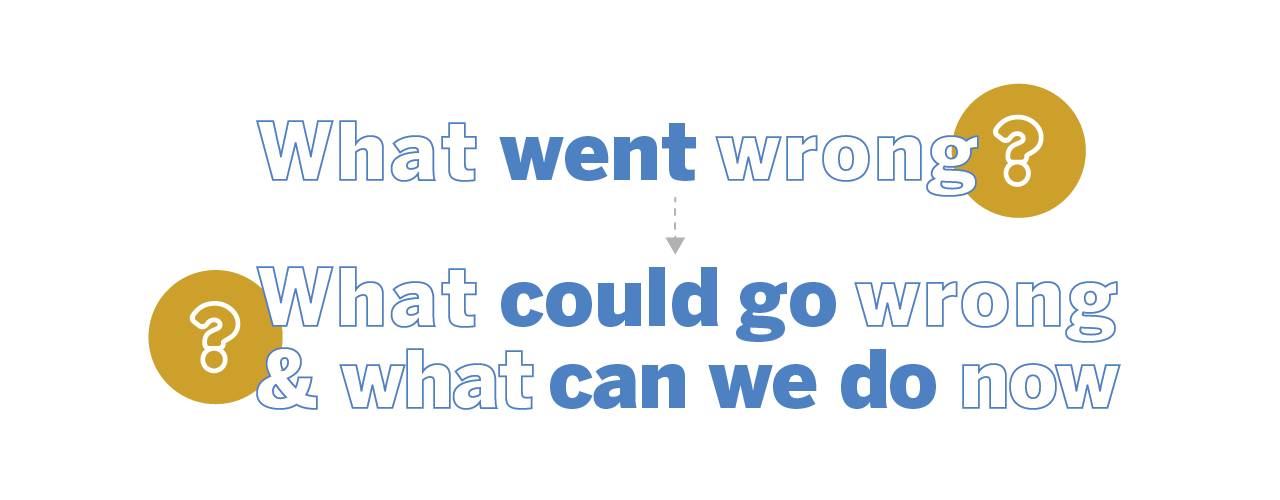
Florida communities can use the approach to evaluate risks, prioritize investments, and make more informed infrastructure decisions. Rather than asking only, “What went wrong?” the framework encourages communities to ask, “What could go wrong?” and “What can we do about it now?”
A simple place to start is by using the six categories during the next capital planning effort, asset management review, or post-storm assessment. A failed pump may be an equipment problem, but it may also reflect maintenance practices, staffing constraints, incomplete data, environmental conditions, or several factors working together. Understanding those relationships before selecting a solution can help Florida utilities direct limited resources toward improvements that address the cause of a problem rather than its symptoms.
About the Experts
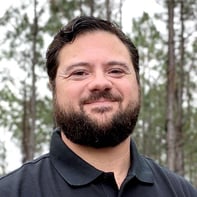
Brett Dean, PE*, is a senior water engineer with over 10 years of extensive experience in water and wastewater infrastructure. He has experience planning, designing, and improving critical water systems, helping communities address complex challenges through practical and resilient engineering solutions.
*Registered Professional Engineer in FL

Alan Hart, PE*, has extensive experience in business development and procuring funding for clients. In his previous tenure at the Florida Department of Transportation, he played a key role in developing a CPR Quality Assurance Plan and was responsible for editing and modifying the Standard Scope of Services as well as Roadway Design Standards. He worked on Legislative Budget Requests and Community Development Block Grants (CDBGs) and has successfully helped clients gain funding for water, sewer, and stormwater projects.
* Registered Professional Engineer in FL