
.png?width=1014&height=1255&name=SEH_Logo_RGB%20(1).png)

{Brief}ly Speaking about what resiliency really means in Florida – from flood mitigation and septic-to-sewer conversions to cost-effective upgrades and navigating tough regulations. Civil engineer Michael Lynch shares practical strategies to help communities and developers protect infrastructure and prepare for a changing climate.

Episode Transcript
Mollie (Host)
Welcome back to {Brief}ly Speaking, the SEH podcast where we keep it short, sharp, and to the point. I'm Mollie Sabo, your host. If you've joined us before, you know the drill. In each episode, we break down big topics in architecture, engineering, and construction. No fluff, no wasted time, just the key insights you need from industry experts. Whether you're back for more insights or just tuning in, we're glad you're here. Let's dive in. Today we're headed south to Florida, a state on the front lines of rising seas and stronger storms. Cities and private developers alike are being pushed to rethink how infrastructure is designed, upgraded, and maintained. But what does resiliency actually look like? And how do we make smart, cost-effective choices that protect communities without breaking the bank? In this episode, we're joined by Michael Lynch, an experienced engineer and project manager with a strong background in civil site development, stormwater management and infrastructure resiliency. He also served on the City of Pensacola's Environmental Advisory Board from 2014 to 2021, where he helped balance diverse perspectives on high-profile community projects. From flood mitigation to erosion control and utility coordination, Michael brings a well-rounded perspective on what it takes to build smarter, more resilient communities. So with that, Michael Lynch, welcome to {Brief}ly Speaking.
Michael (Guest)
Thank you, Mollie. Pleasure to be here.
Mollie (Host)
Let's start broad. How do you define resiliency when it comes to Florida's infrastructure and land development?
Michael (Guest)
I think kind of in simple times, it's how can communities efficiently can they respond and bounce back when they're confronted with some sort of environmental impact, whether it's hurricanes here, prevalent, but it rains quite a bit as well. It doesn't have to be storms, but could be anything that environmentally impacts this.
Mollie (Host)
When you look across Florida right now, what are the biggest pain points you see communities or developers facing when it comes to building this resilient infrastructure?
Michael (Guest)
I think really the biggest is just the climate is changing so rapidly. Each community in the state has design guidelines that we are required to design to, but communities that pay attention to it more understand that current guidelines may not actually handle the amount of rainfall that we get down here and the types of storms and how frequent they happen. So, a developer may, even though he's only required to build something to a certain standard, it may be in his best interest to build it to a higher requirement to avoid potential, whether it's lawsuits or just damage in general, whether it's liability for them or not. 30 to 50 years ago, there was no design. I mean, it was just, hey, 18-inch pipes will work here, put those in the ground. And then fast forward to a built out community that at one time didn't have a lot of impervious surfaces there. Now has a lot. And so the infrastructure, the flooding increases. And now in today's dollars, it's a lot more expensive to go back and upgrade those facilities.
Mollie (Host)
Yeah, so it's kind of a balancing act, it sounds like, of what do we have money for and what can we solve right now? But then also how do we design it proactively so they don't have to redo this again and try to keep up with the regulations?
Michael (Guest)
Right, and I've touched on stormwater, that is my background, so a lot of what I'll say probably goes back to that, but kind of bringing some other things to think about. Utilities, a lot of, I guess, the conventional wisdom nowadays would be to put power underground or to make sure that your pump stations are designed to a higher capacity. And so those things are, like I said, they're expensive. And so planning for those can be a real pinch point for developers or just the communities that are doing the projects.
Mollie (Host)
You mentioned that one of the pain points you're seeing is communities were not originally designed for resiliency. When infrastructure is long past due for replacements, how do communities even start prioritizing?
Michael (Guest)
I think first they've got to do an assessment of what they have. Most of your larger communities will have, and most communities in general will have some sort of data set of what they're maintaining on a regular basis. Anytime you can upgrade that data set to be in GIS to where it's easier to keep up with, I think that's the first step is to find out what you have. What do you have? And then find out where the biggest issues are. Because if you have a public meeting, you may have a group of people in one part of the community that have a louder voice for whatever reason, and you may not be getting a full picture of where some of those issues really are. I would say creating that data set and then really going out in the community. And there's ways to do that. You have stormwater management plans. Those stormwater management plans per communities, especially in Florida, you have to have a stormwater management plan that follows a template from the FDEP. And if your community has these things, it's easier for you to go out and get funding through some of the state sources. So if they're going to spend money in your community, they want you to follow certain criteria so that they understand their money is being well spent. I think that's the early things that you do to kind of set yourself up for success.
Mollie (Host)
So look at the data, see what systems are outdated, and then how do you prioritize from there.
Michael (Guest)
Well, luckily here in Florida, there is a template. I've done some work, actually done a recent stormwater management plan for a local county. And the state's template is derived from a template that was authored by Florida Atlantic University. And we followed that template, actually did work with the author of that and head of the department there that they knew worked with them to make sure that we were following the template. One through 20; here's the top 20 things that you need to evaluate based on. First, you're running models, these macro models, not models where you're looking at each individual Rd. but you're looking at the county as a whole. Where are the hotspots? You identify those. Then you have some meetings, identify maybe some of your most affected areas. But then you start weighting those things. Okay, based on is there good access in and out of this kind of danger zone, if you will. When it floods, do we have to drive around different roads to get into them to help people? Well, this community over here has easy access. Even when it floods, they've never had an issue with getting in and out. So maybe it's low on the priority list. But then this other place, we'll get a 5. Okay, well, then you also look at how much is it going to cost to fix this problem? So you have a criteria that says, here are all the main points that we want to address. And you just start going through and identifying areas. And then after you get done compiling all this data, it will let you know, here's where you probably need to look. And then that really just starts a conversation. And these stormwater management plans, they are a document that is supposed to help these communities develop policy. So it doesn't answer all our questions. It provides A framework to create policy by which they can then use it to start obtaining funding for certain projects.
Mollie (Host)
No, that's helpful. So they have this template that then kind of outlines what you need to look at for each specific thing and ultimately will shine a light on the project that probably should come first.
Michael (Guest)
Right. And just to go back again, I know I'm talking a lot about stormwater, but part of those criteria have a lot of things that don't have to do with stormwater too. I mean, it could be, is this an underserved community traditionally? Are there utilities here that are impacted when there are disasters? Granted, stormwater and hurricanes and things are our biggest impacts, but it's not just flooding. It's utility. Where are your pump stations? Can we relocate this pump station somewhere else that isn't going to be the power goes out and doesn't work? Can we locate it somewhere else? So there's, things like that it also evaluates too. It's not just the stormwater, although it revolves kind of around it.
Mollie (Host)
Taking this a step further then, they've identified the priority project. Is it typically a complete remodel or are there retrofitting options available?
Michael (Guest)
There's a lot, there's retrofitting and I think that is part of, I mean, that's how you can show you're getting more bang for your buck. it's likely easier to get more funds, right? So, and I've worked with communities here locally in Escambia County, especially where they've actually gone in into communities, they know that flood and they buy up property. I mean, part of it is, hey, we can buy property here. And it is relatively cheap right now because there are flooding issues here. And it's what Feng would call like a repetitive loss. So you maybe have a repetitive loss property. If you have two claims within 18 months or two, three years or something like that, they're considered repetitive loss. So you can go in, you buy a piece of property and then you build a pond, build a stormwater management facility. And ponds are relatively cheap. I mean, you do have to build the infrastructure to get the drainage to it. And that can be costly if you want to upgrade all of the upstream piping. But typically these communities will have drainage, structures, pipes and things. That's one way. You go in, build ponds in these areas and that kind of retrofit or, you just take it on a piece by piece. You say, hey, we might not be able to do all 10,000 feet of pipe upgrades in this one area, but we will start in the worst streets, put those in first and then we will we'll manage that year to year. And it comes down to, I think most people are probably familiar with like capital improvement plans. So your CIPs for community. The projects that you identify make their way into that CIP and it just becomes part of your funding on a yearly basis. You piecemeal it if you have to. If you don't have the funds, you say, okay, we'll just do one portion of this.
Mollie (Host)
And that kind of leads me into my next question here. You talk about saving money by retrofitting versus just completely reworking everything. Talk to me a little bit about bundling projects. What are some options that communities have to help them save money and do multiple projects, smaller ones either in one or phased construction options, green infrastructure, that kind of thing?
Michael (Guest)
A contractor is much more likely to give a better price if he's doing more work at one time because you're saving at least on mobilization. You're also getting cost savings from just quantities. Your quantities are higher. We're in storm pipes. So you're going to get a lower cost per foot for those materials. So yes, anytime that you can coordinate your improvement plans with those projects that are already approved for a CIP. So, hey, look, we're going to be doing $1,000,000 worth of roadway improvements in this community. And you've already identified that there's an issue with the stormwater. Instead of having to pay a contractor out of, say they have a, they put together a resiliency fund or a stormwater utility, which is another thing we could touch on. Instead of using all the funds from those areas, yes, you're able to, okay, y'all are going to pay for the roadway stuff once we tear it up because you need to redo it anyway. And that way this other fund that we have over here doesn't have to be depleted and you have to pay for it twice. Like you say, you always want to do something like that. But going back to what I was saying about utilities, I have worked on projects where we've also helped communities set up a stormwater utility. So just like if you don't live somewhere where that's something that they do, it can sound maybe odd, but it's just, I mean, it's just like your water bill. Like the city I live in, they handle water and sewer. So my water and sewer bill have a stormwater assessment on it. And it's based on how much impervious area you have at your home and things like that. But it's usually, and it's capped at some rate. But they can generate funds on a yearly basis to offset some of the costs of those improvements.
Mollie (Host)
Another big conversation in Florida or another big topic is septic to sewer. Why is that such a key part of resiliency and the conversation around resiliency and what makes that system complex to implement?
Michael (Guest)
It's water quality is one item. You know, when you go out and test for E. coli and things like that after a storm, you know, it's usually higher in communities where you've got a lot of septic. And that's not always the culprit, but in general is a big issue when there's floods. And when you live in communities that flood or have the amount of stormwater that we do here on the coast, that's a problem. Anytime you can convert those to tied into a municipal sewer system, then yeah, you're going to avoid a lot of that water quality issues. While it's complicated, I mean, it's not cheap. The good thing though is that there are a lot of federal dollars or there have been traditionally a lot of federal dollars to offset that. So a lot of times communities, they may pay just a small fee. They may pay, I mean, 10% of the overall cost and then the rest may be paid, by federal dollars. So, that helps. You also just have people that, they don't want you knocking on their door and telling them you're going to rip up. They just, they just don't want you to. If it makes sense, this goes back to that prioritization. Let's say you have a neighborhood that 30 years ago was very rural, but now the sprawl of these cities has made its way and there are new communities that have sewer service. It would make sense. Okay, we only have to extend this sewer main 100 feet to get it to the edge of that neighborhood and then we can tie everybody in. And it's still expensive to convert all the homes, but it's not like, oh, we got to extend this line three miles to get down to that community. Those things would obviously go into that prioritization calculation based on, yeah, we could convert and be great, but the cost is just too much for us to pay right now.
Mollie (Host)
Are there regulatory pushes that are kind of leading the charge from septic to sewer in Florida?
Michael (Guest)
I do believe so, and I think that is why there was so much federal dollars put into it, most likely. When the city's doing their calculation, they're saying, okay, it's gonna cost us $2 million to make this extension and then do all of the connections. But if the federal government offsets that by 60%, 80%, whatever, then it drastically changes what they think. They go, okay, now it's only cost us $200,000. Now we can make this money back in a year.
Mollie (Host)
For communities, developers, or agencies looking to start a conversation with you about resilient infrastructure, stormwater, I know that's your background. What's the best way for them to get in touch with you?
Michael (Guest)
I think best thing just to shoot me an e-mail at mlynch@sehinc.com. Shoot me an e-mail and let me know your questions. I'll be glad to help.
Mollie (Host)
That's a wrap on today's episode of {Brief}ly Speaking. A big thank you to Michael for sharing his insights on building smarter, more resilient infrastructure across Florida. From balancing regulations to finding cost-effective solutions, His experience reminds us that resiliency isn't just a buzzword. It's a practical, evolving strategy that protects communities today and prepares them for tomorrow. If you found this episode helpful, be sure to subscribe so you don't miss the next one. And if there's a topic you'd like us to cover, let us know. We're always listening. Until next time, I'm Mollie and this has been {Brief}ly Speaking.
About the Expert
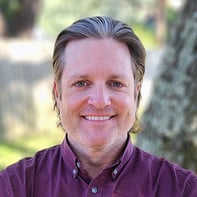
Michael Lynch, P.E., is a Civil Engineer VI Supervisor with SEH based in Florida. He partners with clients and project teams to deliver civil engineering solutions that support infrastructure improvements, community growth, and long-term project success. Michael is committed to developing practical, effective solutions while fostering collaboration and helping clients achieve their goals from planning through implementation.
*Registered Professional Engineer in AL, FL, GA, KY, TN