
.png?width=1014&height=1255&name=SEH_Logo_RGB%20(1).png)
Challenge
At Longville Municipal Airport in Longville, Minnesota, aircraft departing north or landing from the south on Runway 31 were required to back-taxi the full length of the runway to reposition. While workable, this procedure increased runway occupancy time and exposed pilots to unnecessary risk, particularly during nighttime operations, low visibility, or other high-workload conditions. Pilots were often completing engine run-ups and safety checklists on the active runway, limiting operational flexibility and creating potential conflicts among taxiing, landing, and departing aircraft.
Planned pavement improvements also required relocation of the existing Precision Approach Path Indicator (PAPI) system to maintain proper obstruction clearance and Federal Aviation Administration (FAA) compliance. The City needed a coordinated solution that would deconflict aircraft movements, maintain clear visual approach guidance, and align with the operational realities and budget considerations of a small community airport.
Solution
SEH collaborated with the City of Longville to design and deliver two coordinated airfield upgrades: a new taxiway turnaround at the Runway 31 end and the relocation and modernization of the airport’s PAPI system, ensuring both elements functioned together as one cohesive improvement.
Safer, More Predictable Aircraft Circulation
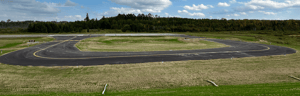
The team evaluated options to reduce back-taxi operations and improve aircraft staging, ultimately selecting a new U-shaped taxiway turnaround. This configuration creates a dedicated space for aircraft to exit the runway, reposition, and prepare for departure in a more controlled environment. By eliminating extended back-taxi procedures, the design reduces time spent on active pavement and minimizes the risk of runway incursions. It also allows pilots to complete before-takeoff and after-landing checklists outside the primary runway environment, supporting safer sequencing and clearer separation between arriving and departing traffic.
The turnaround significantly improves how aircraft circulate at a critical runway end. The added pavement provides flexibility during a high-workload phase of flight and establishes a consistent, repeatable movement pattern that enhances daily operations. For Longville, this means smoother traffic flow and a more predictable experience for local pilots and visiting users alike.
Modernized Lighting and Long-Term Reliability
With the new pavement configuration affecting the original PAPI location, the team developed a relocation strategy that maintained compliance while improving long-term performance. The system was transitioned from a four-box configuration to a two-box LED PAPI, delivering the same essential glidepath guidance while better aligning with the airport’s operational needs.
The LED system improves efficiency and reliability while reducing energy consumption and maintenance requirements through fewer lighting components. SEH coordinated closely with FAA representatives to complete the required flight check, ensuring the relocated system provided accurate visual guidance and cleared all obstructions. The result is a modernized approach aid that strengthens safety while reducing lifecycle costs for the city.
Coordinated Delivery and Adaptable Implementation
Because the turnaround construction and PAPI relocation directly influenced one another, integrated design was critical. Airfield geometry, grading, and electrical relocation were carefully coordinated to meet FAA-compliant upgrades and support safe operations at an active airport. Construction access along a privately owned road required ongoing communication and practical problem-solving to keep crews and equipment moving efficiently without disrupting surrounding activity.
While the scope was targeted, successful delivery required close technical coordination to ensure the pavement and lighting upgrades functioned together as one unified improvement. The turnaround altered aircraft circulation patterns at the runway end, directly affecting the appropriate location and performance of the PAPI system, including obstacle clearance. The team also reused on-airport materials to raise low pavement areas, reducing the need for imported fill and supporting both cost efficiency and environmental sensitivity near adjacent wetlands.
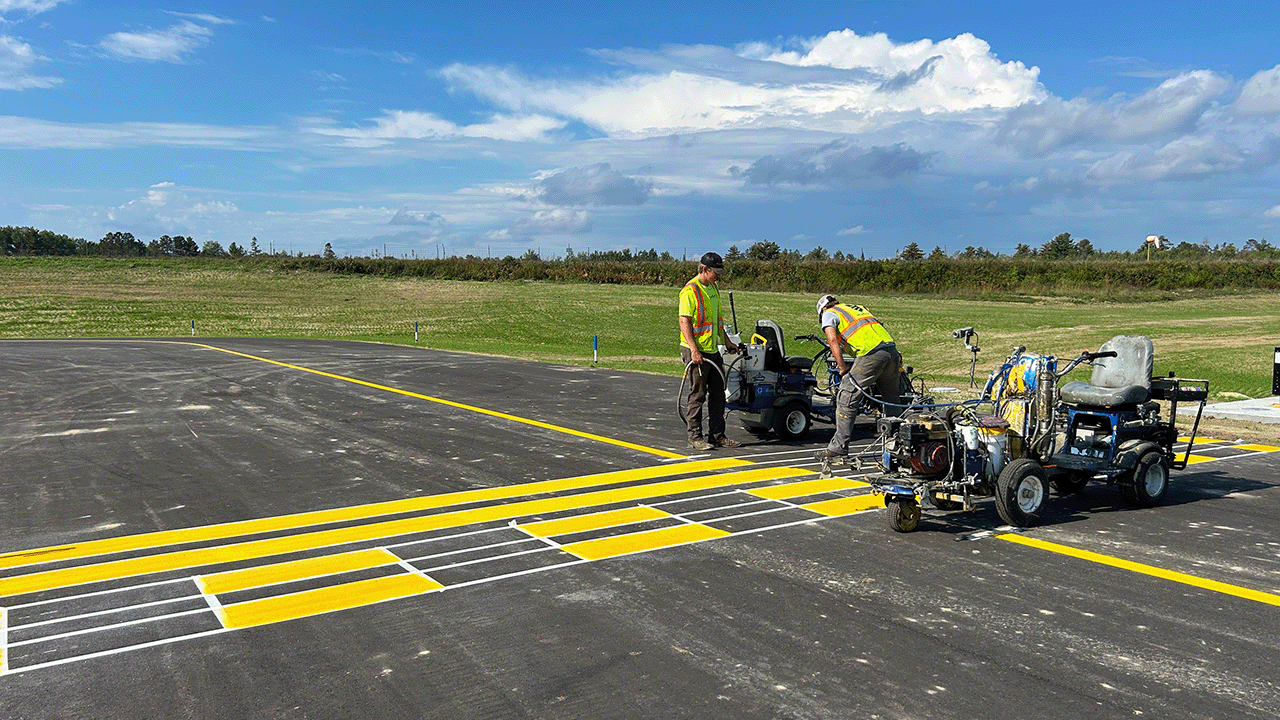
Although small in its pavement footprint, the turnaround improves operational efficiency by reducing aircraft congestion on the runway and supporting smoother airfield circulation. This change is especially valuable at rural, uncontrolled airports, where operational predictability is critical to maintaining safe, reliable access.
Throughout design and construction, consistent coordination with the Minnesota Department of Transportation (MnDOT), FAA partners, airport leadership, and tenants ensured smooth communication and successful final acceptance.
Together, these improvements reduce runway occupancy risk, enhance airfield circulation, and provide dependable visual approach guidance. Through disciplined planning and right-sized investment, the City of Longville now benefits from an airport that operates more safely, efficiently, and predictably for the entire community.
Project
Longville Airport Taxiway Turnaround and PAPI Relocation
Location
Longville, Minnesota
Client
City of Longville
Features
- U-shaped taxiway turnaround at Runway 31 end
- Reduced runway occupancy and back-taxi operations
- Dedicated area for aircraft staging and checklist completion
- Relocated two-box LED PAPI system
- FAA-coordinated flight check and obstruction clearance
- Integrated airfield design with sustainable material reuse
Services