
.png?width=1014&height=1255&name=SEH_Logo_RGB%20(1).png)
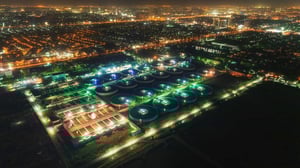
For most utilities, the idea of shutting down a treatment plant to perform major electrical work is enough to make anyone nervous, and for good reason. These facilities can’t simply power down without consequences since wastewater and water treatment are continuous processes that protect public health and keep communities functioning.
Yet as systems age and electrical infrastructure reaches its limits, upgrades become unavoidable. Panels need replacement, switchgear needs modernization, and capacity may need to expand to support growing demand. The challenge is balancing those necessary improvements with the unyielding reality of “the plant must stay on.” An unplanned outage can ripple through operations, disrupting treatment processes, risking regulatory compliance, and in some cases causing environmental or public health impacts.
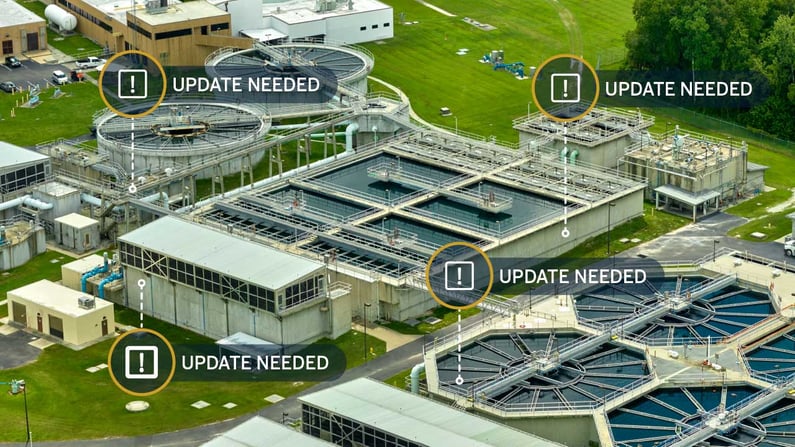
This isn’t just an engineering challenge – it’s an operational one. Keeping a plant running safely during electrical upgrades requires early planning, temporary power strategies, and close communication with all teams involved.
Planning Ahead: The Real Work Starts Early
The success of any electrical upgrade starts long before a single wire is touched. The most reliable utilities treat planning as their first line of defense.
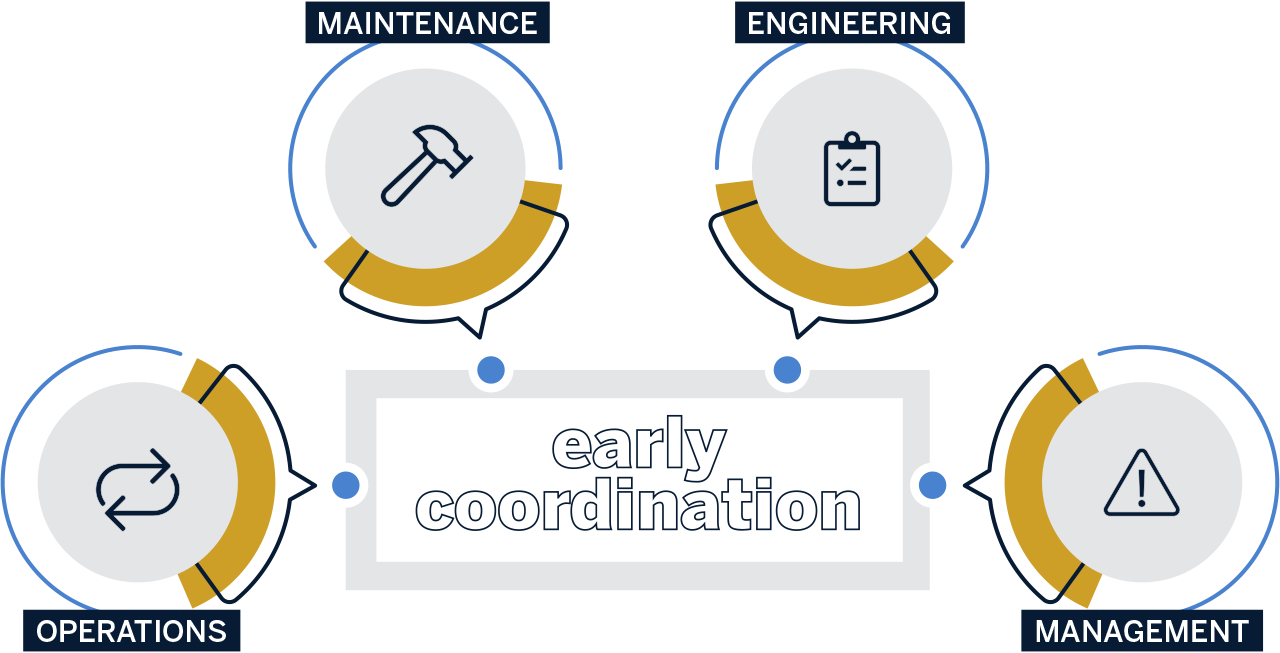
Early coordination between operations, maintenance, engineering, and management is critical. Each group brings a unique perspective: operations understands the process, maintenance knows the equipment, engineering outlines the options, and management manages risk. Everyone needs to be part of the discussion to ensure confidence in the final approach.
That collaboration begins with identifying pain points and shutdown limitations. Every plant has a “buffer”, or the maximum time it can be down before processes are compromised. For some, it might be one hour; for others, a few. Knowing that threshold drives how your sequencing and backup strategies are designed.
Sequencing, Safety, and Scenario Planning
Sequencing is the heart of keeping power online. It’s a step-by-step process that determines which systems can be powered down, when, and for how long. For example, once a temporary switchboard is installed and energized, crews might move one building’s feeder at a time. A feeder is essentially a heavy-duty electrical highway carrying power from the main source to the equipment that actually needs it, so shifting it is a big deal. During the transition, a generator is connected to that building to keep everything running. With a well-coordinated sequence, downtime can drop to just a few minutes per building.
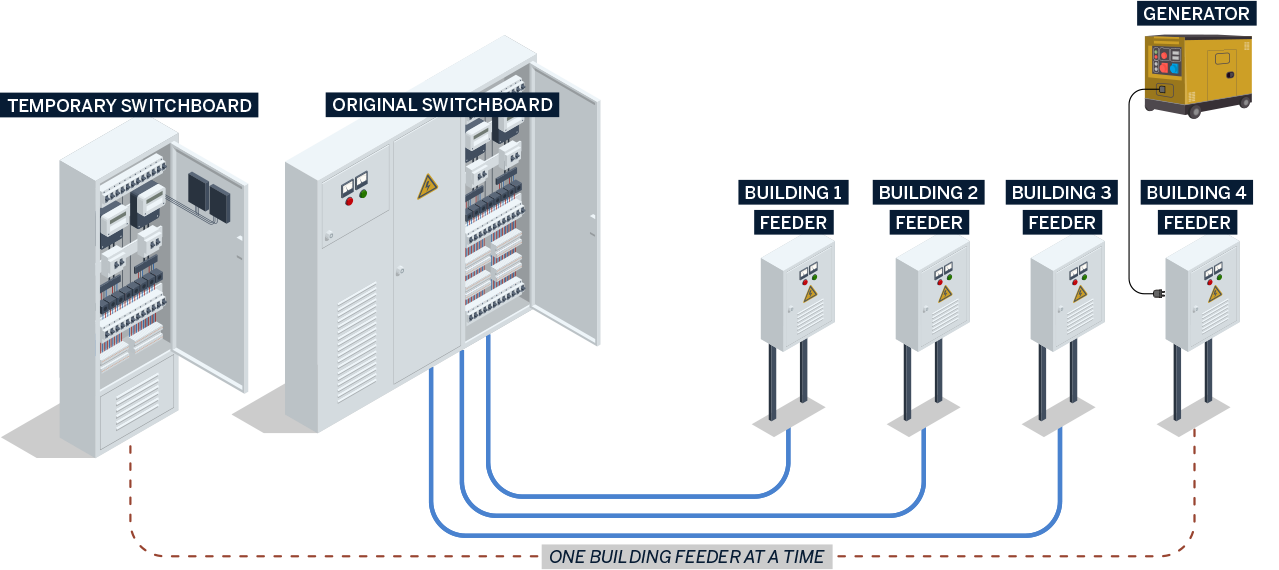
However, even the best-laid plans account for the unexpected. That’s where redundancy comes in. If a temporary generator fails, there must be another on-site, or at least one on standby, ready to deploy immediately. In critical cases, both are present. Every step in the shutdown plan should have a “backup to the backup.”
Options for Keeping Power Flowing
Once those limitations are defined, options can be developed. Typically, a pre-design or feasibility phase outlines several approaches, complete with costs, risks, and implications for plant downtime. Each option has tradeoffs, and those factors are weighed collaboratively before design begins. Below are a few common options:
- Portable or rental generators – Flexible option for powering individual buildings or systems during short transitions.
- Temporary switchgear or transformers – Maintain stable distribution during multi-week or multi-month projects.
- Phased or bypass installations – Allows portions of your system to stay live while others are upgraded.
- Permanent redundancy upgrades – Adding dual switchboards, interconnections, or transfer switches allows future replacements or failures to occur without interrupting operations.

Once an option is selected, the team will conduct an on-site walkthrough to review an hour-by-hour plan that outlines who’s doing what, when, and what to do if something fails. These meetings are where potential failure points are identified, safety protocols are reinforced, and everyone from the plant operator to the contractor understands their role.
A Proactive Approach to Modernization
No two plants are the same, and the best power strategy depends on process needs, available space, and where you want the facility to be in the future. A proactive approach looks beyond the immediate project and sets the plant up for smoother upgrades down the road. Whatever path you choose, the goal is the same: strengthen reliability today while building a system that’s ready for what’s next.

Much of the existing equipment in today’s facilities was installed decades ago – often 30 to 40 years old. As manufacturers phase out product lines, replacement parts become scarce or impossible to find. That forces operators to source components from resellers, often at high cost and questionable reliability.
Proactive replacement prevents a plant from being forced into emergency repairs and allows for the thoughtful integration of modern, efficient systems. It’s also the perfect time to evaluate adding redundancy or flexibility to prepare for future maintenance and minimize risk.
Powering Confidence, Not Just Systems
Electrical upgrades at treatment plants will always be complex. But with thoughtful planning, clear communication, and the right engineering support, utilities can modernize their systems without compromising performance.
Ultimately, keeping power on isn’t just about the lights – it’s about protecting your community, maintaining compliance, and ensuring the next generation of operators inherits a system built for reliability.
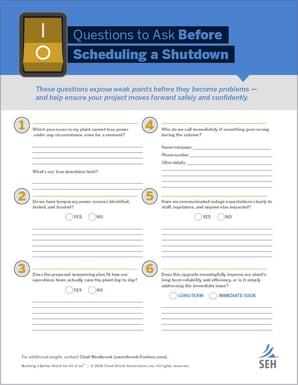
Download the Worksheet
Use this worksheet to review the critical questions you need to answer before scheduling a shutdown, so you can uncover weak points early and move your project forward safely and confidently.
About the Expert
 Chad Westbrook, PE*, is an electrical engineer who helps utilities upgrade critical power systems while keeping treatment plants running safely and reliably. His experience spans power distribution, generation systems, lighting, fire alarm, communication, and security systems. He specializes in replacing aging equipment, integrating modern technology, and planning phased improvements that support long-term system resilience.
*Registered Professional Engineer in AL, CT, KS, KY, MN, ND, NJ, OK, SD, TX, VA, WI