
.png?width=1014&height=1255&name=SEH_Logo_RGB%20(1).png)

{Brief}ly Speaking with Jon Halter about the biggest reasons commercial and retail developments get stuck, and more importantly, how smart developers are getting ahead of delays, cost overruns, and shifting market demands to keep projects moving and profitable.

Episode Transcript
Mollie (Host)
Welcome to {Brief}ly Speaking, the SEH podcast that cuts straight to the chase. We'll tackle big topics in architecture, engineering, and construction with quick expert insights. No fluff, just the essentials, all in a few minutes. Let's dive in. Today we're discussing the world of commercial and retail development. It's a sector full of opportunity, but also packed with hidden hurdles that can derail projects if they aren't addressed early. From permitting and entitlement delays to shifting market demands, developers today are facing a more complicated landscape than ever before. Here to help us break it all down is someone who's worked closely with developers to solve challenges, speed up timelines, and deliver smarter, more sustainable projects. He is a senior engineer and SEH's commercial and retail market leader. Over his career, he served as a city engineer, led engineering teams on major development projects, and spent three years in the real estate group of a national big-box retailer, giving him insight from both the public and private sides of the table. John Halter, welcome to {Brief}ly Speaking.
Jon (Guest)
Thanks for having me, Mollie. It's exciting to be a part of one of the initial podcasts here and talk a little bit about commercial and retail projects.
Mollie (Host)
Absolutely. So to kick us off, like I said in the intro, you have seen this industry from both sides. First at a design firm and then later as an engineer for a large commercial retail operation. How has that mix of experience shaped the way you approach projects and help you understand what clients really need?
Jon (Guest)
Yeah, certainly. So my background, I actually kind of think of it as I almost sat on three different spots at the table. One actually as a municipal engineer, so sat on the side of the table reviewing plans, reviewing permits with the municipal city lens. And then as a consultant, delivered and did the engineering services on commercial private land development projects. And then the third piece of the puzzle of my background was working again for a large-box national retailer. And so having those different backgrounds and perspectives, I think just helps me navigate the projects. They're all a little bit unique, and they all bring different challenges to the table, and finding the right solutions just kind of requires working with the different people and understanding their perspectives.
Mollie (Host)
Yeah, absolutely. I mean it's great that you have that background to fall back on for all different areas of it. You mentioned challenges. When you look at the commercial retail development landscape right now, what are some of the biggest pain points you're seeing clients run into?
Jon (Guest)
First on the list might be rising costs, infrastructure costs rising somewhat significantly over the past four or five years, but they also come with some unknowns and some challenges related to that. And so certainly rising costs are at, I think, the top of mind for all of these projects and developers looking at opportunities that are out there. Some of the other challenges I think are the market trends change, I think, quicker than they used to. Social media work spreads fast, whether that's positive news on your shopping center or negative news, it certainly spreads fast. Customer shopping has also changed in the last 10 to 15 years. Online shopping has created a different dynamic and element. And so brick and mortar shopping centers, I think it's becoming more about creating a sense of place and an experience. So customers kind of want to come in and walk through the stores and peruse the shelves versus just that ease of clicking a button on their phone and having a box show up at their door. All of those things have just kind of created some changes. And I think how these projects and shopping centers need to be thought out and laid out and ultimately delivered to the communities.
Mollie (Host)
I love that idea of making it an experience because you're so right. It is easy to just click a button, but there is something to say for getting out of the house and going and seeing people and getting to like touch and feel and try on everything and seeing the products. I love that idea. So from your experience, what are some strategies that developers can use to manage these uncertainties better? You talked about cost. You talked about the market changing. How can they handle those?
Jon (Guest)
Yeah, cost is, again, that was the first thing that popped in my head is one of the challenges. And so I'll kind of think about that one first here is there's different ways to approach a project as think of the phrase value engineering and how do we deliver the same end result and that same user experience, but at the least possible infrastructure cost to help the return on investment for developers and the end-use retailers here. And so whether that be the most efficient layouts of parking lots so that there isn't any wasted square footage of pavements whether that be finding the shortest and most economical runs for the utility connections. Is it different pavement sections for the loading dock versus the front drive versus the parking stalls? All 3 have different uses and at times it makes sense to have different pavement sections throughout those. The other one that I think is important is funding. Now, the private infrastructure of the parking lot and the buildings doesn't have a lot of funding options available. But if we think of this as a partnership with local communities, what do we need to do off-site improvements, turn lanes, traffic signals, utility extensions, things like that that have potentially a larger public benefit? We have a funding team here at SEH that partners with us in exploring each project to see what opportunities and options are out there. To come at it from the other side, once I could try to reduce cost to building the site, the other side is how can we add to the funding sources and the pot of money to deliver on that end? It's been a great resource and it's some interesting conversations, because kind of like I said before, every site's somewhat unique and every site. provides unique opportunities, one state to the next, one community to the next, is going to open the door to different funding opportunities. So for me as an engineer, having a team of funding experts available to take a look at the project and see what's out there is really handy to the projects.
Mollie (Host)
Yeah, that's an awesome service that we offer and just being able to have them to fall back on. You obviously know your area of expertise and you dabble in funding just because you're around it so often, but that is like their bread and butter. And I'm sure that they can come up with some options that maybe you didn't even know are available.
Jon (Guest)
Yep, 100%.
Mollie (Host)
So let's talk a little bit about site selection for a minute. What are the mistakes you see clients make early in the process that end up costing them big later?
Jon (Guest)
I won't can this in the phrase of calling it a mistake necessarily. I'm going to flip it as to what maybe they should be looking for or thinking about and looking at sites. You know, there's a lot of low-hanging fruit out there where the site might be, you know, ready to go and seems like a prime location, but maybe it doesn't fit the end goal of the project. And so again, I think knowing that we're competing with online retail and things like that, I think it behooves the project team to kind of consider what's the end outcome we're trying to get out of this? What's that end user experience going to be like? Trying to find a frictionless experience for the customers ultimately to come to the site, shop the stores and the shopping center, and then get home afterwards. So easy access, good visibility. You want to have enough parking where people aren't searching for parking stalls or having to walk long distances. A lot of shopping centers these days are also leading on that kind of creating an experience and a sense of place. A lot of them have kind of created corridors or areas for some outdoor gathering spaces. Using restaurants that can have outdoor seating, but also kind of a small park-like experience in the middle of a shopping center. So as you're walking from one store to the next and you might have a mom with a couple of kids in a stroller, they can stop and take a break and maybe have a cup of ice cream while the kids play in this little green space. And so I've seen that in a number of different sites. And I think having those things in mind and making sure that you're finding sites that fit those end result is critical. You don't want to get two-thirds the way done and realize that the site might not be enough acreage to do what you want to do. Maybe it isn't fitting the type of users you want filling the shopping store at the end. And so just having that end goal in mind I think is critical in site selection.
Mollie (Host)
I guess I just didn't realize how much imagination there is for this kind of a development. I mean it's exciting because you get to envision it all ahead of time and then see it come to life. But I imagine with those big plans, some of the things you run into are permitting. What tends to cause the most friction with that? How can teams set themselves up for a smoother process when it comes to permitting, entitlements, that kind of thing?
Jon (Guest)
It's conversations and understanding the process and setting realistic expectations up front. I've seen in the past where if you set a schedule without truly understanding the entitlement process, without truly understanding the scope of the project or the supply chain of materials you need to get to the site to build the project, it just kind of sets you up for failure before you've even started the project. And so critical to, I think, all these projects is that initial effort and investment to fully understand that. So quite often a project starts with a due diligence report or a site investigation report that tries to uncover some of the unknowns and potential pitfalls, but also just opens up that dialogue with the local jurisdictions and the project team to fully understand what is the entitlement process gonna look like? What permits are gonna be needed? What's the critical path to get from where we're sitting today to where you open the doors to your customers a couple of years down the road? Again, I think it's just that spending the time making that initial investment and having those conversations to set the stage for a successful project, I think is really what it's all about.
Mollie (Host)
Yeah, being proactive. For any kind of development, one of the trends that we've been seeing is sustainability. Green infrastructure, it's a big buzzword right now. Is that also in commercial retail?
Jon (Guest)
100% it is. I think every project, there's conversations about sustainability. There's a lot of local jurisdictions that require sustainable elements. Certain jurisdictions have minimum electric vehicle charging stations, and almost all of them have landscaping requirements. It's a part of every project to some extent. As we think about sustainability, I like to think of it in ways of how can we make it appropriate to the specific site that ultimately saves the project money, whether that be upfront cost savings or savings for long-term maintenance issues. Incorporating native prairie landscaping or reuse of water for irrigation purposes are things that come to mind. I talked a little bit before about pavement design might be different from the parking lot to the loading dock, et cetera. And having well-thought-out, properly designed pavement sections are going to save the project in the long term too. And that doesn't necessarily sound like sustainability, but if you don't have to dig it up and repair patches every four or five years, it's certainly sustainable in my book and I think an opportunity to save developer and end users a lot of cost and hassle down the road.
Mollie (Host)
Land development is nothing new for us here at SEH. I feel like that's kind of one of our bread-and-butter types of projects. But commercial and retail development has its own set of challenges. How does commercial retail differ from land development, and what should teams be prepared for right out of the gate?
Jon (Guest)
They have different challenges. They have different success factors, if you will. Land development, thinking of it from a residential perspective - single-family, multifamily has a totally different end user than a commercial retail project. As developers are working with and negotiating with the end user retailers that are going to fill all these spaces. They're signing and negotiating letters of intent that have an understanding of an expectation of when those doors are going to open to customers in the end and the milestones that are needed to get to that point. And so I think timing is very critical as is, again, going back to the cost factor, having an understanding of the budget early on that is realistic and holds true to the end is also critical to both the development process, but also the end users. Similar to the entitlement process where you're investing some time and energy up front to fully understand that. In the same lens, you got to invest some time and energy into a good, solid preliminary budget, how much it's going to cost to build the infrastructure so that as developers are working with and negotiating deals with the end users, they have a full understanding of what the project is going to cost so that they don't get to the end and find that there's some significant financial gap that's going to affect the return on investment for them on projects like that. So a little bit different. Again, mostly just driven by who the end user is going to be: single-family homeowners versus big-box anchor retailers and restaurants and outparcels and things like that, just to have different needs, different goals, and a little bit more critical on when the project gets finished and meeting those negotiated contracts for those opening dates.
Mollie (Host)
I know just from some of our past conversations, even things like you said earlier today, the different types of concrete for loading docks versus parking lots versus walkways. I know in the past you've talked about how curb and gutter feels like a cookie-cutter thing for development, but it's different for retail as well, right?
Jon (Guest)
Yeah, for sure. I mean, it's curb and gutter and concrete pavement and bituminous pavement. They're all kind of the same, but they all get designed and implemented differently on the type of project. Thinking of where you're laying out curb and gutter on a linear street project is totally different than how you're going to lay out curb and gutter on a square, rectangular-shaped parking lot. You know, when you've got acres of pavement, you want to have some curb and gutter to define safe pedestrian access points. Again, going back to that kind of frictionless customer experience. Having walkways where customers can walk from their car to the front entrance of the store is critical. And so strategically placing curb and gutter and raised islands is helpful in that. But at the same point in time, you got to think a curb and gutter becomes barriers in a parking lot where people are walking, people are pushing shopping carts. Now, if you got a curb and gutter, you can't get over it. So you got to kind of strategically place ped ramps or laid down curb where they can get carts through, can get strollers through. Similarly, drainage is another significant impact. I talked about cost before. One strategy in reducing infrastructure cost is to reduce the number of catch basins and like the storm sewer pipes. And the more curb and gutter you put in a parking lot and specifically where you place it and how you place it might require more catch basins, more linear feet of storm sewer. And so holistically thinking of all that comes into play on a commercial parking lot project. doesn't necessarily come into play on a linear street project just because different end uses, different challenges that could pop up. You mentioned loading docks. That's a whole different animal that becomes extremely important to these projects. I've seen loading docks get poured two, three times before it meets the tolerances of end users. Every loading dock, every retailer has slightly different kind of call it prototype or requirements on what that's going to need to look like. Maximum, minimum slopes, trench drains versus catch basins. Is there going to be retaining walls? Just a lot of different custom-specific information and knowledge as we think about designing loading docks. A lot of it is the same stuff that happens on all the infrastructure projects, but needs to be thought of and implemented a little bit differently on a commercial project and a retail project.
Mollie (Host)
It's very detailed, which that's great that you're thinking of all those things. And as a new mom, I got to say thanks for thinking of the strollers because it's difficult sometimes out there. So you've talked a lot about the end-user experience, the tenants. Tenant expectations are evolving fast. There's lots of things that are changing here. How are you seeing successful developers incorporate future proofing, so to say, into their projects without blowing those budgets?
Jon (Guest)
To the extent possible, trying to incorporate flexibility and adaptability into not only the designs, but also from thinking of a developer negotiating with the end user retailers. There's a lot of negotiations and a lot of thought that goes into the OEAs and restricted uses and where can I have outdoor storage, outdoor merchandising. And so to the extent that you can create that flexibility in those negotiations is going to behoove the developer in the long run. And then on the other side, flexibility on the design, if you can lay out a utility pipe that allows for potential future connections if a large box retailer decides they've got more parking lots than they needed and they want to carve out and sell off some out parcels. If we can have utilities and parking lots and drainage laid out as such to create the most flexibility. So to make those processes easier to create a two-acre out parcel in the corner of a 10-acre site or something like that. I think those are the things that having some flexibility to just allow, because you don't know what the future is. I mean, that's the challenge. And so allowing as much flexibility as possible is going to be critical early on in the project.
Mollie (Host)
Now let's shift it down the line a little bit here. If a developer is struggling to move a stalled project forward, maybe they're stuck in approvals or facing redesigns, that kind of thing, what's your best advice for them to get unstuck?
Jon (Guest)
When you say stuck, I kind of think of a couple of things. I think of entitlement processes that get stuck or bogged down. And the other thing we talked about a lot is rising costs can stall or kill projects. And so kind of a couple different manuals. There's obviously other things that can stall projects too. But from the entitlement perspective, it starts with, like I said, early conversations to understand the process, to understand the needs of the city. But if the process gets stuck and it gets bogged down, I think more conversations, open conversations need to take place. What is the real underlying issue, and can we help solve it with the project we're working on? Is the city getting a lot of complaints and heat from the surrounding neighbors? Does adding a landscaping buffer simply solve that problem? Is it turn lanes, access points? Can we adjust those to help the flow of traffic out on the public roadways? And so really understanding why the city or local jurisdiction or utility district has reservations or concerns with the project that they're not moving the entitlement process forward. And so really understanding the root of it and again, trying to find a win-win solution. I like to think that every project and every time, people all want the same or a similar end result. A wonderful amenity to a community that's a valuable asset to the developer, and that it's a place that retailers want to be and customers want to shop at. From a cost perspective, if costs start to get out of control and they've risen from the early estimates on the project, then it's kind of back to the drawing board on some of the value engineering approaches. Maybe it's looking at how do we phase the project differently? Do we just build this half over here and save the second-half for a future phase? Again, understanding the real root of the problem and working with people and having open conversations and finding win-win scenarios. And again, I like to think everybody wants projects to be successful and amenities to the community. And so let's work together on how we get there.
Mollie (Host)
So for those conversations, if listeners wanted to get a hold of you and there might be want to learn more or they might be facing some of these challenges, what's the best way to get in touch with you, John?
Jon (Guest)
I'm always available. Certainly e-mails J Halter JHALTER@sehinc.com or even better yet, give me a phone call 320-250-6084. I'm very interested in learning about opportunities you're working on and how we might be able to help. And if nothing else, just putting our heads together and having a chat on the projects you're working on would be amazing.
Mollie (Host)
I really appreciate you joining us and sharing these insights. It's clear that success in commercial and retail development today is as much about smart planning and flexibility as it is about great design. So hopefully this conversation gives our listeners some practical ideas they can take into their next project. As always, if anyone has any questions, please feel free to reach out to John. And thank you for listening to {Brief}ly Speaking.
Jon (Guest)
This was great, Mollie. Thank you.
About the Expert
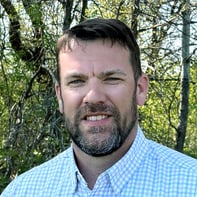
Jon Halter is a Civil Engineer and project manager with SEH based in Minnesota. He partners with clients and multidisciplinary teams to deliver infrastructure solutions that strengthen communities and support long-term growth. Jon is dedicated to developing practical, sustainable engineering solutions while helping clients successfully navigate projects from concept through completion.
*Registered Professional Engineer in MN